Lost in Translation (2003)

Screenplay Critiques

Directed by: Sofia Coppola

Oscar Awards: 2004 Best Writing, Original Screenplay

“Lost in Translation” presents a comedic story of two Americans accidentally meeting at a hotel in Tokyo, ultimately falling in love. Movie star Bob Harris travels to Tokyo to shoot a commercial advertisement for the whiskey company Suntory. On the other hand, college graduate Charlotte merely comes along to accompany her husband John and pay a visit to a few of her Japanese friends. While John is occupied throughout most of the trip, Charlotte travels all alone to experience some of Japan’s distinct offerings. Charlotte and Bob first stumble across one another in an elevator, only to glance and smile. Finally sharing a conversation at the hotel bar, both Bob and Charlotte grow fond of each other, feeling a sense of ineffable comfort when together. Charlotte further introduces Bob to her friends, and the two roam the streets, enjoying the moments of their lives. From time to time, they share life talks about their troubles, the odd culture of Japan, and their marriage status. More than just friends, Bob and Charlotte develop an unbreakable bond through their platonic relationship. 

The title of the screenplay is a double entendre, representing both the literal and implicit message of the movie. As written in the title, both protagonists are lost in a foreign country, unable to interpret neither the signs nor the language of the unfamiliar environment. Bob becomes confused in a hospital as an old man approaches him in an effort to communicate. Charlotte, looking at the menu in a Japanese restaurant, states everything looks the same. Though this obstacle is not easily overcome, the individuals learn to confess and calm in the presence of each other. Both “lost” in their personal ways, Bob relieves Charlotte, commenting that he is “not worried” about her. Hence, Bob sincerely offers guidance in crucial life advices to Charlotte, who appreciates this benevolence.
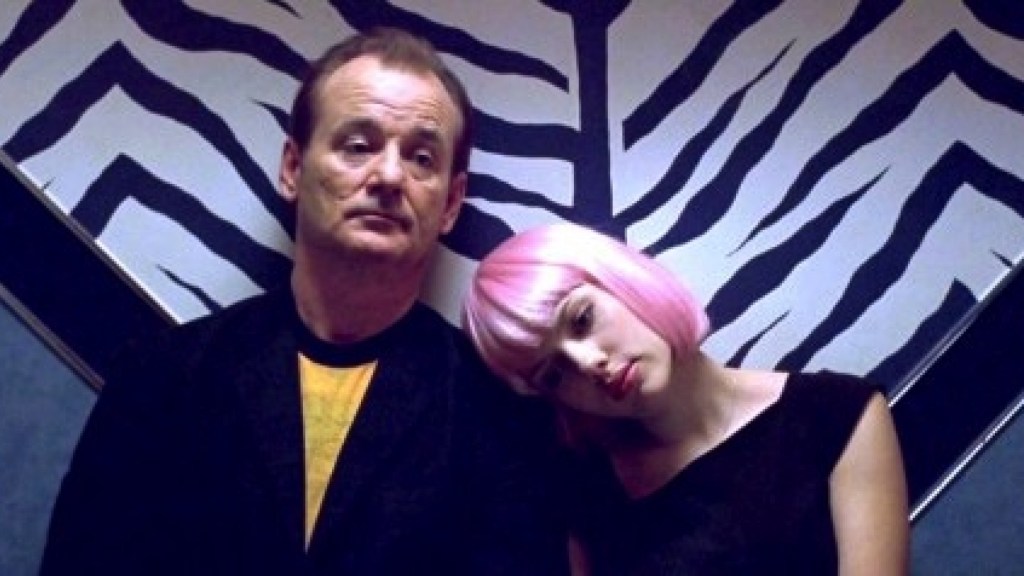
The characterization of Bob and Charlotte is distinct, allowing them to develop as both round and dynamic characters. The old man, who evidently loves and cares for his family, is taken away by the countless hours spent out of home. However Charlotte solely has John by her side, allowing her to mature as an independent woman. Unlike Bob struggling to control a running machine at the gym, Charlotte effortlessly journeys from place to place to absorb the country’s culture. 

Yet what brings the two excessively different individuals together is the inability to adjust to an unfamiliar culture and unstable emotions. Regardless of his stable job, Bob handles with a sense of depression that continues to crawl upon him while in isolation. Especially after the birth of his first child, Bob expresses that “your life, as you know it, is gone…never to return.” This may appear as though the man advises the young adult to avoid pregnancy; however, he adds that these children are the “most delightful people you will ever meet in your life,” urging the delivery of a child. Meanwhile Charlotte seeks to settle upon a proper occupation—one in which she owns talent. She continues to explore diverse hobbies—from photography to writing—to find the answer but has only encountered failure in every attempt. Whether after marriage or after college, the individuals supposedly acknowledge the fights they are wrestling through.

An evident flaw of this screenplay, however, is its misuse of humor to illustrate the Japanese, or Asians in general. During a deep conversation, Bob playfully mentions to Charlotte that in Japan, everyone pronounces the “l”s as “r”s, and vice versa—mimicking the message he received that read “Have a safe fright.” This leads to another scene where a Japanese woman enters Bob’s hotel room, requesting him to “lip” her stockings; then, she vocalizes disturbing noises intended to hint to others that she had sex with the movie star. This disturbing scene portrays Japanese women as psychotic individuals who yearn to seduce men. Another humorous scene was in the elevator, when Bob stands tall among a crowd of tiny Japanese men. These scenes serve a clear motive to entertain the audience, yet the director has crossed the line of appropriateness. In fact, racism is quite prevalent throughout the story, as these specific moments mislead the audience to develop an erroneous stereotype of Japanese people. 
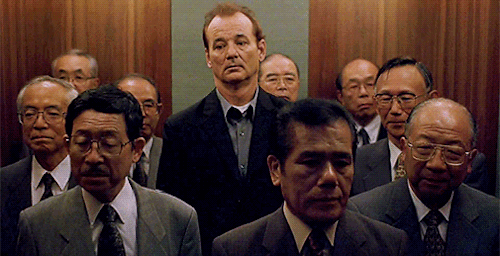
Additionally, not only was the Japanese culture misrepresented, but the screenplay disappoints the viewers as it could’ve delved deeper and discovered beauties as well. One of the most appalling scenes was the naked women pole dancing and seducing men at a bar. The simple depiction of these settings enables the American, or non-Japanese, audience to perceive all Japanese customs as bizarre and unlikable. There are special, emotional, and meaningful cultures in Japan that are unspoken of; perhaps women in kimonos arranging flowers was an ideal scene, revealing the hidden, engaging traditions. To a certain extent, it is clear that Japanese characters and culture is shown in such a one-dimensional manner to spotlight the two Americans, Bob and Charlotte; however, when the traditions are imitated for “fun,” the entire purpose of Japan becomes a mockery.

Though a well-written screenplay with elaborate details, original plot, and noteworthy characters, the overuse of Japanese culture to generate laughter has resulted in a movie with stereotypes and racism. Although Charlotte and Bob may not be the best fit for Japan and for each other, they bring back relaxation to their lives through the quick yet adventurous trip. Lost in translation and lost in their identity, the curtain falls with the two kissing on the streets—their first “sexual” encounter, proving the pure innocence that powered their true love. 

Get Out (2017)

Screenplay Critiques

Directed by: Jordan Peele

Oscar Awards: 2017 Best Original Screenplay, Nominated as Best Motion Picture of the Year

“Get Out” underlines the benevolent racism that is prevalent in the present day. The screenplay opens with a black man strolling down the streets when an anonymous white man abducts him. The next scene introduces an interracial relationship between Chris Washington, a typical young African-American, and Rose Armitage, a seemingly welcoming and protective white girlfriend. The two plan to visit Rose’s parents, at which Chris begins to question the overly generous attitude of the family members. During a “family” party, a few black individuals with a stereotypical white speech appear. To add to these odd features, all of the Armitage family’s workers share the black race. A few days into the trip, Chris awakens to the fact that the entire purpose of Rose’s invitation was not because she truly loved him. Rather, it was a scheme to target him as a victim for brain transplant, a form of slave trade for the middle-aged white Americans. 

The characterization of each individual is well-represented through the dialogue. Chris is portrayed as a gullible, yet self-aware man, as he asks Rose, “Do they know I’m black?” This line shows he recognizes that racism prevails. On the other hand, easily convinced by his girlfriend’s words, Chris ultimately complies with Rose’s offer to meet the Armitage household. At first glance, Rose is characterized as another lovely, defensive girl as she stands up for her boyfriend in most scenes. Yet, she is revealed to be the most ruthless racist of all white people, purposefully seducing black people to manipulate. Throughout this intense mood, Rod Williams, a black best friend of Chris, is the key character who relieves the audience with comedy. In the end, he leaves the impression of a friendly neighborhood “hero,” sometimes overly proud of his occupation. 

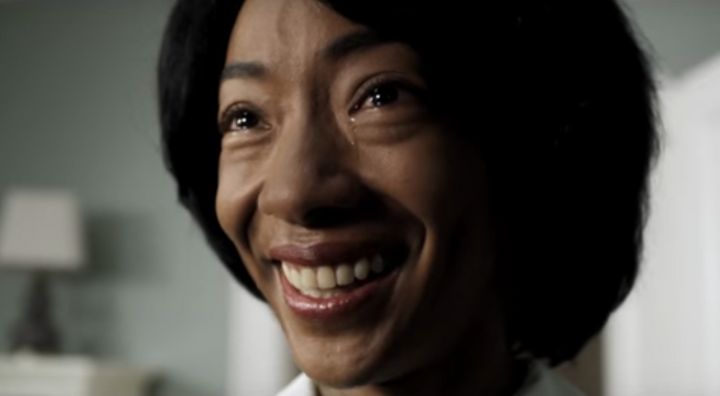
Although the cast did not involve any esteemed actors in particular, there were no exceptionally incompetent actors either. Daniel Kaluuya, who played Chris, adeptly placed emphasis on conveying his emotions through facial expressions. The audience could easily tell when the man was confused, shocked, or nervous, enabling them to empathize with the character more effectively. Allison Williams also performed Rose appropriately, giving life to both the sweet and merciless traits of the character. Of all the actors, Betty Gabriel personated Georgina, the black house-maid, the best. As a scene stealer in the movie and trailer, the actress was praised for building suspense and fear with the single line of “No, no, no, no, no.” 

Moreover, this screenplay delivers a message needed in today’s society. Not the classic lynching slave story, “Get Out” discusses slave trade implemented for eugenics. The older white population attempts to implant their brains in black men’s physical body to live a longer—possibly healthier—life. It is evident that this practice is immoral, and must be prevented. Jordan Peele further highlights the taboo of mixed race relationships, since Chris seems to be careful of receiving disapproval from Rose’s parents. Despite the fact that Americans have asserted to remove racism from their culture, because international and interracial relationships are yet perceived negatively, it is difficult to completely conclude that racism has ended. The issue of police brutality is presented as well. Particularly because the Black Lives Matter movement grew viral in 2017, this short scene with a white police blaming Chris for a deer car accident communicates the racial prejudice—even authorities have—against black people. 

The movie was not only grew awareness, but also appealed to the audience’s emotions. Even without identifying as a black individual, the screenplay allowed the viewers to absorb the uneasiness an African-American feels in a suburban area. Urging the audience to first-hand experience a black man’s terror, the director slightly closes the gap between the white and black race. Owning two identities as an African and American, Chris undergoes double consciousness, supposedly troubled by the discrimination he receives in society. Desiring to keep his “two souls, two thoughts, two unreconciled strivings,” he comes across as an individual who neither yearns to “Africanize America” nor “bleach his Negro blood in a flood of white Americanism.” In other words, withstanding a identity crisis, he remains insecure. Hopefully, once white Americans understand the black people’s nightmare, they will help make a change. 

Illustrating racism through dark humor, this movie diverts from the common single white hero saving Chris. Instead, his friend Rod comes to the rescue. Developing a plot twist, this screenplay is definitely an educational and entertaining production. The originality of the storyline is thrilling, especially due to unexpected changes that occur to the main character. As one of the few meaningful horror movies, “Get Out” is a film worth a watch even for the easily frightened. 

Lady Bird (2018)

Screenplay Critiques

Awards: 2018 Nominated as Best Motion Picture of the Year, Best Original Screenplay

Directed by Greta Gerwig, “Lady Bird” introduces a coming-of-age story with a female protagonist overcoming obstacles as she matures. Although born with the name Christine, the young girl refuses to accept her given name, and rather pressures everyone to call her Lady Bird. The screenplay opens with an unexpected scene: during a discussion with her mother Marion on a drive, irritated by Marion’s understatement of her abilities, Lady Bird jumps out of the car. However, this is only the beginning to the child’s rebellious streak. Due to the family’s low economic status, the immature teenager is ashamed and keeps her true self hidden from the rest of her classmates. Lady Bird experiences all shapes of embarrassment—family, friends, sexual interests—but only through these conflicts, she matures into a considerate woman. 

No one knows exactly how or where the name “Lady Bird” came from, neither is there any elaborate explanation within the screenplay. In an interview with the National Public Radio, Gerwig claimed she has “no idea where it came from.” On the other hand, the title and name play a significant role throughout. To begin with, while Christine wishes to fly away from her responsibilities, yet embryonic, she fails in her attempt to escape during the drive. Lady Bird is caged back in the McPherson household. Similar to a lady bug or bird that defends itself with toxic chemicals, Lady Bird prevents others, especially her parents, from intruding into her personal high school life. Hence, though unintended, the name “Lady Bird” appears symbolic of the premature stages the juvenile is subjected to. 

Furthermore, each character is well developed, possessing a distinct trait of his/her own. To begin with, one of the most crucial characters, Marion McPherson, allows Lady Bird to awaken and appreciate her surroundings. The mother learns from her conflicts with the child as well. Portrayed as a loving but strict parent, Marion hates to denounce her daughter, knowing it is her duty as a mother to do so. Running to emergency rooms at unwelcoming hours, the woman carries a great burden on her shoulders as a mother, a wife, and a worker. She comes to realize that with Lady Bird, the world is no longer centered around herself, but around her family. Besides her stands Larry, an affectionate husband and a tender father. Always opening his ears to Lady Bird’s concerns, Larry acts as though he is perfectly fine, urging Lady Bird to fulfill her dreams and bring forth her full potential. Along with the father, best friend Julie Steffans incessantly encourages Lady Bird to reach beyond her limits. Seemingly an unattractive sidekick, the teenager is, in fact, a well-rounded student with innumerable talents of which Lady Bird grows envious. 

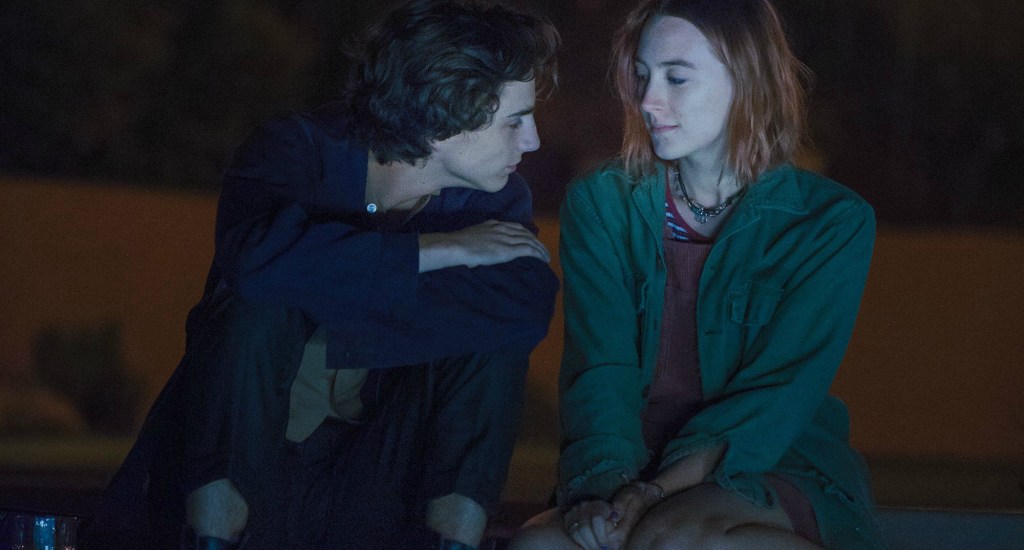
The realism is what really differentiates this screenplay from all the other coming-of-age movies. There were multiple aspects that helped the audience connect to the leading character—one of them being curiosity. As curiosity sparks in young adults, they strive to venture new habits, particularly those that are common among the cool kids. Lady Bird gains a similar interest in smoking and sexuality. She aspires to be special in every way possible, as she mentions in her first sexual intercourse with her boyfriend Kyle. Moreover, tired of being a social pariah, Lady Bird leaves Julie, and sets out with popular kid Jenna to vandalize school property. In a Catholic school, the two cover the nun’s car with a sign reading “just married to Jesus”—a slight exaggeration beyond reality. As a matter of fact, these details contributed to crafting a more realistic tenor for the film. 

However, at the same time, several scenes depict the exact opposite of reality—moments that are not easily encountered every day. When Lady Bird loses her virginity, she asserts that her first experience was memorable, because she was “the one on top.” This, in a way, represents her dominance over Kyle, supposedly taking control during the intercourse. These forms of feminism are further present in the McPherson family. Unlike 90s movies in which women are obliged to cook in the kitchen, in “Lady Bird,” both parents are admitted to individual occupations, proving a woman’s worth in society. Even when Larry loses his job, Marion is the one who keeps the financially unstable household going, fighting through the exhaustion of endless work shifts. Thus, this screenplay can be viewed as one of the first youth production illustrating feminism. 

The movie closes with a direct message that lends itself to a satisfactory ending. The emotional link between the audience and Lady Bird remains until the last moment of the screenplay. When asked “What is your name?” for the first time, the young adult replies, “Christine,” accepting her identity. Enrolled in her dream college in New York, Christine reflects and regrets on her past self. Ultimately, she calls Marion reminding her, “Thank you. I love you.” Then driving down the streets of Sacramento alone, Christine begins to fathom the troubling emotions her mother would’ve been faced with. The two mirror one another at last. 

“Lady Bird” can be described as a masterpiece, with hardly any flaws. Not merely any cliché teen comedy movie, this screenplay enables both adult and young audience members to once again reflect on themselves, and perhaps even understand their family members. In other words, the movie helps awaken individuals on the true value of family and friends. Definitely, a beautiful story of appreciation. 

기생충 (Parasite)

Screenplay Critiques

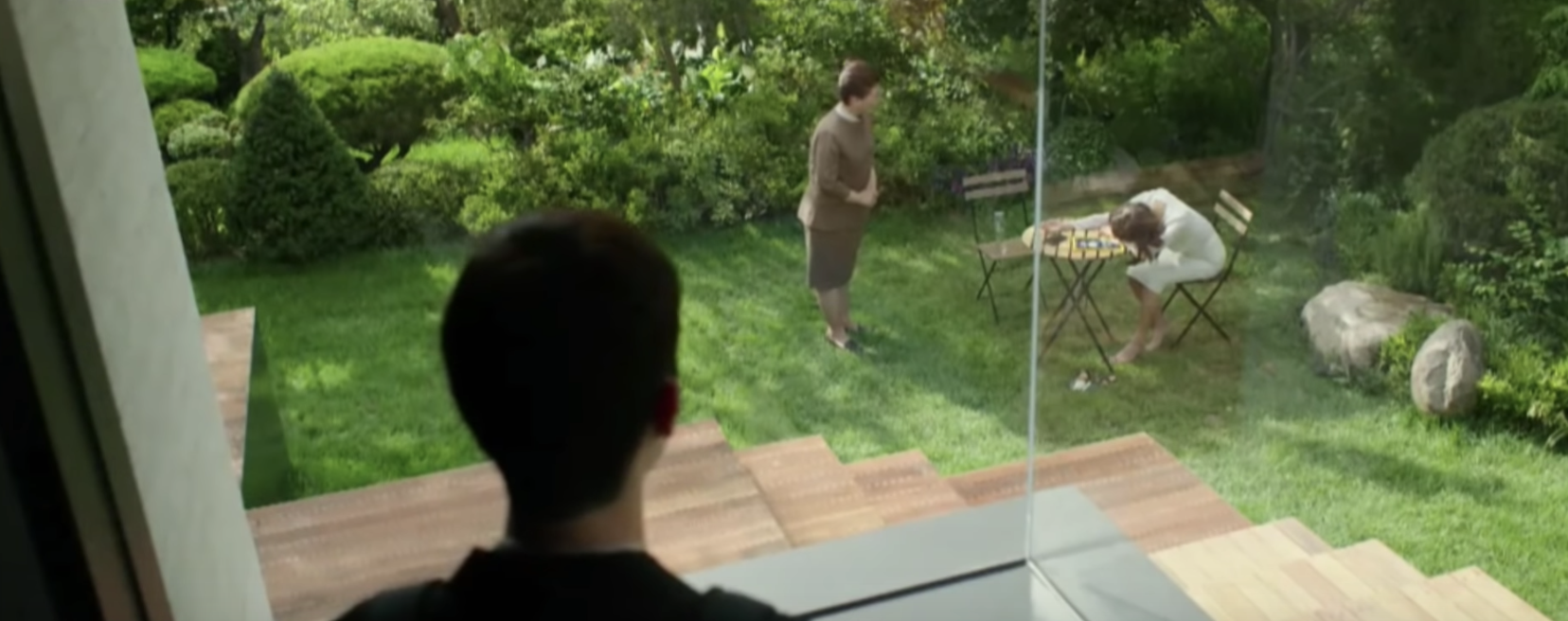
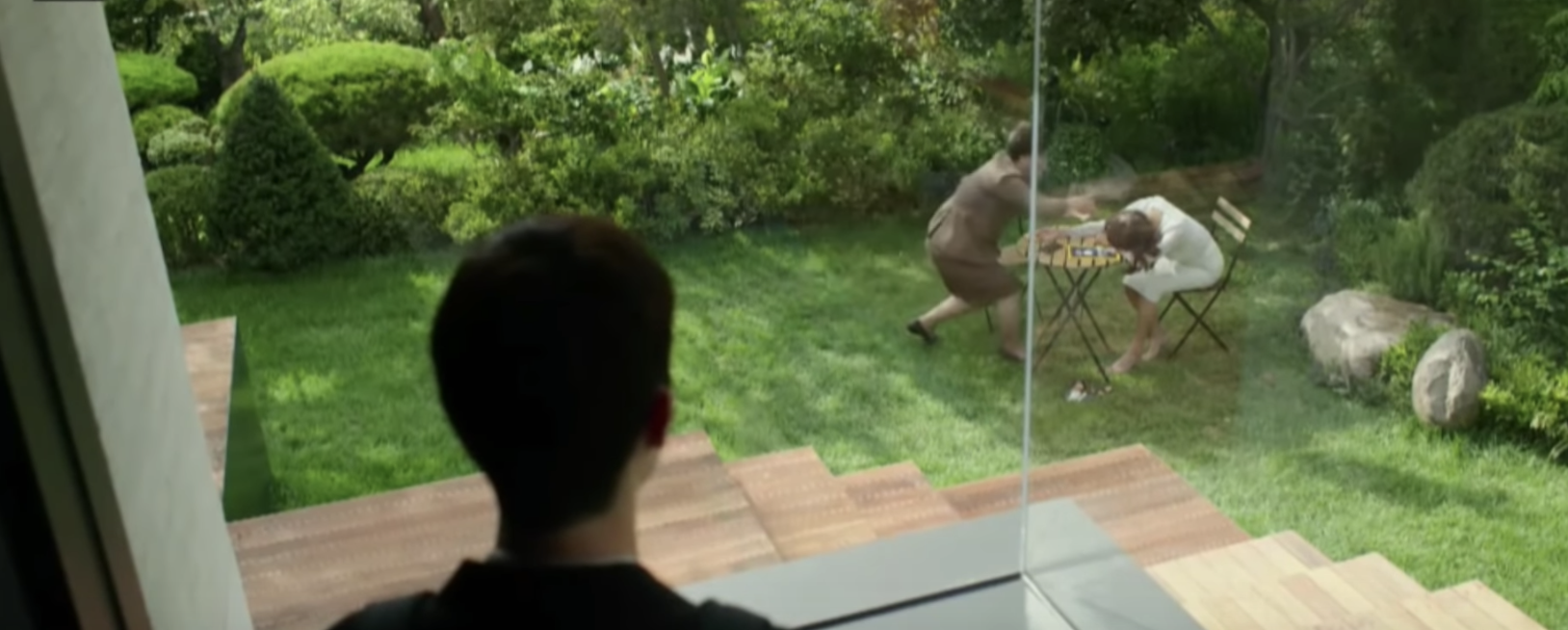
Directed by Bong Joon-Ho, “Parasite” shares a plot-twisted story of three families living together within one household. The film opens with the Kim family struggling to locate public wifi, living under substandard conditions with none of them employed. They solely rely on the meager income received through folding pizza boxes. However, everything changes when a friend offers the son Giwu to tutor Da-Hye, the daughter of the wealthy Park family. Extremely gullible, the Park family falls for Gi-Wu’s plan. Soon, the entire Kim family is employed: the mother Choong-sook as a housekeeper, the father Gi-Taek as a driver, and the daughter Gi-jeong as a psychiatric art tutor. Yet, not too longer after, the Kims come across another homeless man surviving in a secret pathway underground—Geunse, the husband of the former housekeeper Kook Moon-Gwang. The couple then ascertains the Kims were one fraud family. In attempt to silence Moon-Gwang, Choong-sook reluctantly murders her. The start of all chaos. 

Each of the families own a distinct trait that differentiates one from another. The Parks are often described as benevolent and credulous. The mother Yeon-gyo appears exceptionally naive, as she over-trusts the Kim family without any suspicion. On the other hand, the rich are also portrayed as hypocritical—while maintaining a “pure” reputation, the Park parents use drugs and underwear as a fetish during a sexual scene. A life of meaningless luxury. In contrast with the Parks, the Kims habitually spit curse words. Their gait resembles cockroaches (or parasites), particularly due to their bony figure. Although at a similar social status, unlike the Kims, Moon-Gwang and Geunse are illustrated as the eerie, “ghost-like” subjects. In this way, each character is well-developed throughout the movie. 

Moreover, the noteworthy acting of the cast built on the realism. Gaining popularity through past films “Snowpiercer” and “A Taxi Driver”, Song Gang-Ho was once again selected to play the fierce, cowardly Gi-Taek. Alongside Song, also known for the teenage baseball player on “Train to Busan,” Choi Woo-Sik acted the attractive, immature son (Gi-Wu)—the source of all trouble. Famed for his unique, deep voice on Korean drama “Pasta,” Lee Sun Kyun makes an appearance as the affluent, young CEO father of the Park family. Though the screenplay was remarkably written, the experienced actors added charm to each role, producing a comedic movie full of chemistry. Not only the cast, but the director was esteemed for his screenplays “Okja,” “Snowpiercer,” and “The Host,” pointing to the flaws of our society. 

The dialogue in “Parasite” is abundant with foreshadowing and repetition. One apparent repetition is the mention of the sickening smell of the Kim family. Da-Song, the son of the Park family, first recognizes this stench, sniffing at both Gi-Taek and Choong-sook. Unable to identify the cause of it, the Kims soon realize this stench was neither the laundry detergent nor the shampoo, but the reek of their semi-basement house. In fact, it marks the turning-point in the movie when Mr. Park grimaces at Geunse, blocking his nose at the familiar stench. This moment, Gi-Taek glares, stabbing him from the back. An abrupt murder—one nobody would’ve expected from the loving father. Hence, the stench, a seemingly negligible aspect, draws that clear line between the high and low classes. 

This “line” between the rich and poor is continuously mentioned throughout the screenplay.
Choong-sook is dismissed, because the Park family claims she has crossed this “line”.
This first encounter between Giwu and Yeongyo foreshadows Choong-sook’s fate:
she crosses this “line” as she attempts to waken Yeongyo from her sleep.

Another repeated phrase is “나 진지해. 대학 가면 정식으로 고백할거야. (I’m serious. I will officially confess to her when she graduates).” When requesting Giwu to replace his spot while he studies abroad, Giwu’s friend first mentions this phrase, suggesting his affection for Da-Hye. After Giwu earns his new job, he restates this dialogue verbatim. This scene implies Giwu has mistaken his social status, overwhelmed by joy. Rather than sounding selfish though, the viewers feel pity for Giwu. 

He further claims that the stone, a gift from his friend, continues to accompany him, trailing along. There were multiple interpretations of this stone, many asserting the Kim family was merely attaching meaning to a worthless object. However, the screenplay seems to refer to the Korean idiom “굴러온 돌이 박힌 돌을 뺀다 (Direct translation: a passing/rolling stone drives out the fixed stone),” often alluding to betrayal. Specifically, the poor Kim family strived to replace the rich Park family. Yet, viewing the movie from a wider perspective, the Kim family only succeeded in driving out Moon-Gwang and Geunse. In the end, Gi-Taek ultimately suffers in the basement, exactly where Geunse hardly survived. To use of repetition places emphasis on the overarching message of the screenplay. 

The first time the Kim family is gifted this ‘stone’.

At the end of the movie, one witty statement remains memorable: “그래봤자 넌 박 사장 가족이 갑자기 집에 돌아오면 바퀴벌레처럼 샤샤샥 사라지겠지. (Regardless, when Mr. Park comes home, I bet you will all scatter away like cockroaches).” Choong-sook’s words turn into reality, when the Park family returns from a camping trip without warning. The Kim family disperse into separate corners, finding a way to clean the home. The scene is set on a dark, rainy night, forcing the viewers to turn anxious with the main characters. These hints allow the audience to undergo a more thrilling experience in the theaters. 

The Kim family names all start with either ‘기'(Gi) or ‘충’ (Choong), representing their role as the parasite (기생충).
The Park children names start with ‘다’ (Da), signifying their affluence.

In addition to the well-written script, the transitions were smooth. The disparity between the poor and the rich is clearly shown when the Kim family rushes down the endless stairs on the rainy day. Beginning from the second floor of the Park family’s house, Giwu, Gi-jeong, and Gi-Taek rush down the staircases, down the hill, through a tunnel, and again down the staircases. For a few seconds, Giwu stares down at the running water that flows beneath him, awakening to the fact that the basement was where he belonged. This concept reappears during the last party scene. Kissing Da-Hye in her room situated on the second floor, Giwu inquires whether he fits in. Not truly understanding his question, Da-Hye simply replies “yes.” However, Giwu contends he must step down to his level, literally scurrying to the secret basement. This screenplay reveals an interesting fact: the lower the social status, the lower the house is situated. 

In essence, the director continues to shed light on the term “계획” (plan). After the Kim family sets up a scheme to replace employees of the Park’s household, all go as planned. Without a single hint of suspicion, all four succeed in earning a position. However, once all members settle in, the plan is disrupted by the couple. Anxious, Giwu and Gi-jeong ask their father to devise the next plan, receiving one piece of advice in return: “가장 좋은 계획은 무계획이다” (the best plan is no plan). From then and on, the family acts without specific plans, attempting to fit naturally back into society. Ultimately, reality leaves a scar, seemingly teaching a lesson. Opposing his father’s advice, Giwu once again plans to purchase the “haunted” house in which his father is locked up. On the other hand, as always, his dreams are grand in comparison to his destitute living conditions. Thus, the movie condemns individuals for dreaming big without taking the vital, small steps leading to success. Anyone can dream big, but not many acknowledge the need for trial and failure.

As the first Korean film to win the Palme d’Or award at Cannes film festival, “Parasite” is a screenplay that urges the viewers to rethink and appreciate the given. Similar to the deaths in this movie, murder mysteries are commonly framed as a motiveless crime (묻지마 사건) in South Korea. Media tends to exhibit criminals as inhuman or psychopaths. Yet this screenplay clarifies the fact that every event conceals a story—a reason—behind it. The title encompasses the entirety of the story: the higher class unwillingly host the lower class individuals, who kill them—just like parasites. Incorporating all genres, ranging from comedy to mystery to thriller, this movie is perfect to enjoy with your friends. Not too recommended for a date with your lover or family.

Midnight in Paris (2011)

Screenplay Critiques

Awards: 2012 Best Writing, Original Screenplay, Nominated as Best Motion Picture of the Year, Best Achievement in Directing, Best Achievement in Art Direction

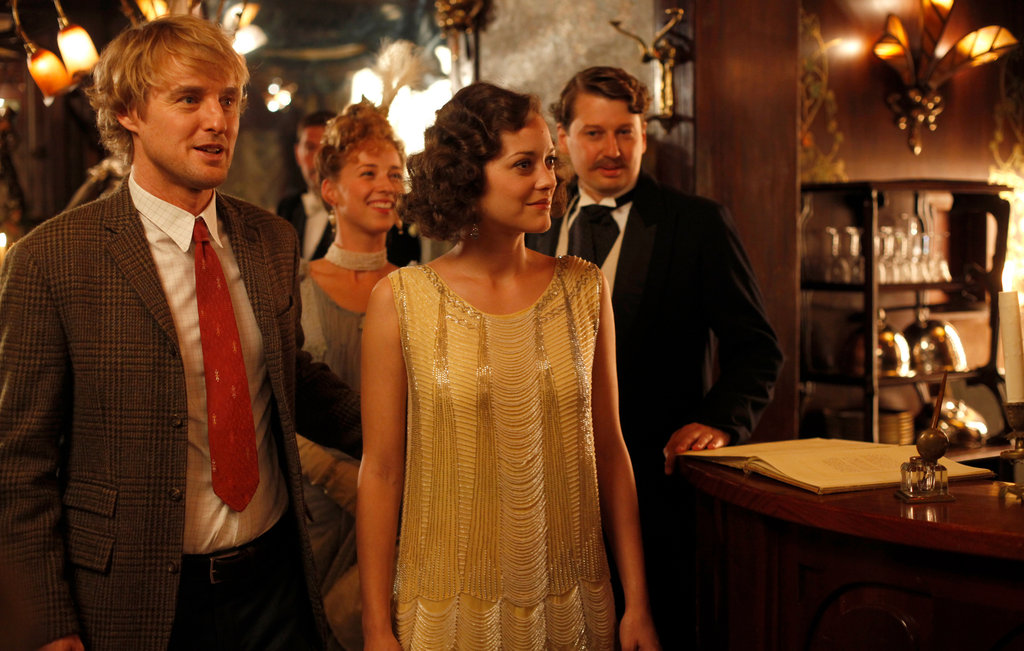
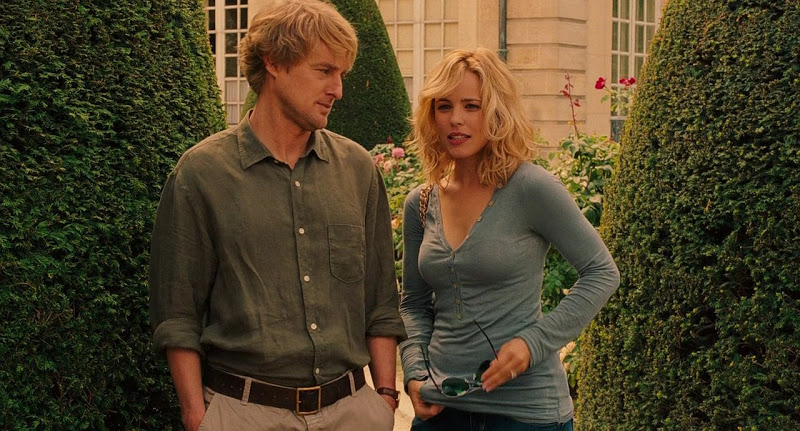
Directed by Woody Allen, “Midnight in Paris” introduces the love story of Gil Pender and Inez during their visit to Paris. On a typical midnight, while venturing around for inspiration, Gil comes across an old car that takes him to the golden ages. Men and women dressed in 1920s attire greet the screenwriter as he steps into a party crowded with famous figures. Gil, a future screenwriter, is granted the opportunity to share conversations with his idols. As the story progresses, Gil travels into the past, encountering a young woman Adriana, with whom he falls in love. Coincidentally, while on a date, the two come across a carriage that takes them back into the 1890s. Gil unwillingly escapes the century and returns to the hotel, only to find himself excitedly describing the night to his fiancé. Inez believes her husband has gone wild in imagination and dismisses his desire to walk back into Paris in the 1920s. With two opposing personalities, Gil fails to cope with Inez’s materialistic lifestyle and settles in Paris all alone. 

However, the screenplay consists of multiple flaws that could’ve been improved. In general, although the plot has its distinct outline, the entire storyline and characters are underdeveloped. Whereas the appearance of famous individuals grasped much attention, the surface level analysis of each artist left as a disappointment. Almost as though the qualities of each artist were determined through a Wikipedia search, it was evident that either the director did not research these figures in depth or he was unsuccessful in bringing forth all of his knowledge. In fact, rather than mentioning briefly upon numerous individuals, the screenplay may have been more memorable with a focus on few well-known figures. Perhaps, Gil could’ve held stronger relationships with these few personages. 

Moreover, along with the hurried representation of all the characters, several questions were left unanswered at the end of the movie. To begin with, the entire purpose of Gil’s visit to Paris, break up with Inez, and suggestions from the legendary artists does not come to a conclusion, and the questions remain: Was the novel published? What happened to his relationship with Inez, Adriana, or Gabrielle? Exactly what recommendations did these great novelists give? Are the clothes the only clues that hint the change in eras? The eras could’ve been crafted better with other characteristics than the mere adjustments in clothing and location. To fill in these gaps, a possible sequel to the first “Midnight in Paris” could help clarify these doubts. 

Additionally, one of the most significant aspects of a screenplay, the ending, was unsatisfactory. The unexpected plot twist was a surprise to the audience; however, there were too many surprises. After Stein reads Gil’s book, she comments that Gil has not noticed his wife was cheating on him. He returns to the modern era and breaks up with Inez. Until this point, the sudden break of the engagement was a shock. Then, Gil walks into the streets and meets an antique dealer named Gabrielle and appears to fall in love once again. The separation of Gil and Inez was acceptable, but his new relationship with Gabrielle seemed too rushed. There had been no suspense laid to indicate these changes, which left the audience slightly confused. In other words, the open-ended ending was not the best choice. 

That said, a major redeeming quality of the movie was the carefully chosen cast. To help depict the party scene in the 1920s with different artists, Allen adeptly casted Tom Hiddleston to play F. Scott Fitzgerald, Corey Stoll to play Ernest Hemingway, and Kathy Bates to play Gertrude Stein. All three actors had already gained popularity through past films: Tom Hiddleston starring in “Thor” and “Avengers” as Loki; Corey Stoll starring in “Law and Order” and “The Bourne Legacy”; Gertrude Stein starring in “Misery” and “Titanic.” With these skilled actors, each artists’ special characteristics in tone or behavior were properly pinpointed and appropriately acted. Even more, the director Woody Allen had established authority through Manhattan and Annie Hall. Hence, the collaboration of famous actors and director easily captured the attention of the public when the screenplay was released. 

There were innumerable reviews on this screenplay, most of which opposed one another. The majority praised the movie, calling it a “rise to perfection.” Some commented that it was a romantic comedy that should be watched to brighten one’s mood. Others believed the film was boring and a waste of time, seemingly dragging a theme-less story. Due to the fact that the movie is lighthearted and witty, it certainly will cheer up anyone. The quick scenes such as Inez father’s detective agent lost in the 1920s are memorable and humorous. Therefore, though “Midnight in Paris” may not hold the most meaningful message or the most complete story, it is a movie that is worth a watch on a gloomy afternoon. 

Juno (2007)

Screenplay Critiques

Oscar Awards: Best Writing, Original Screenplay

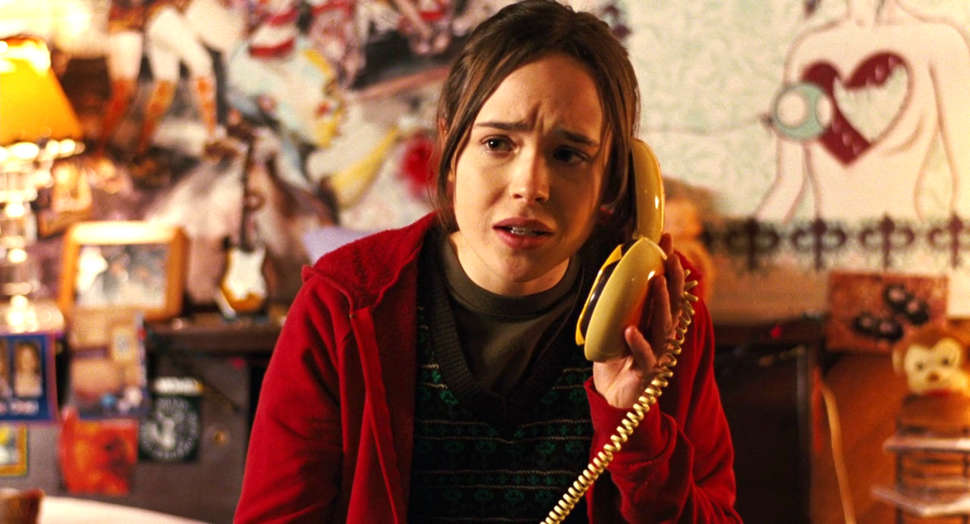
“Juno” presents an original story of teenage pregnancy and how children may deal with this unexpected change. The screenplay opens with the 16 year-old Juno MacGuff offering her best friend Paulie Bleeker to have a one-night sexual relationship on a chair. Out of curiosity and boredom, both teenagers consent to share love. The next day, the young girl feels unusually nauseous, only to realize that she is pregnant. Discussing her pregnancy with her friend Leah, Juno ultimately confesses to her parents about her final decision to keep her child. The brave soul continues to attend school and leaves the child to adoption. A seemingly caring couple Vanessa and Mark Loring willingly accept Juno’s child. However, as Juno visits the Lorings’ house to keep them updated, she notices Mark’s growing attention for her as woman. The teenager cannot fathom this unacceptable behavior and returns to her first love Paulie for support. 

The screenplay develops a self-confident, unique teenage girl Juno, a character difficult to encounter in today’s society. Despite the fact that she faces judgements from her classmates, she sets herself as her first priority and stands strong against all of the hate thrown at her. Although the movie is set solely on Juno’s perspective and may appear limited to an immature teenager’s thoughts, the scenes reveal the key distinct characteristics of each character that shape him/her. For instance, Paulie Bleeker is established as a timid cross country player who acts as Juno’s bets friend, when inside, he truly admires her. Bren MacGuff, Juno’s stepmother, scolds the teenager when needed, but is also the most protective mother more than anyone else. In this way, the perspective is not omniscient, but each character is crafted in his/her special way. Strong character development is evident. 

Additionally, the story is easily relatable due to its realism. When Juno first becomes aware that she is pregnant, she panics. She attempts to act natural and calm, yet she continuously confers with Leah to settle on a decision. To her classmates, she is an irresponsible, slightly arrogant young adult who proudly strides along the school halls; to the audience, she is an uneasy child. Many will fathom the emotions Juno undergoes, as she is confused about love at times, but also hopes to enjoy her one and only life. Yet, as Juno matures, her attitude of dealing with pregnancy changes. Since she has taken the different path of keeping her child rather than abortion, the teenager begins to feel connections to her own child, acknowledging the responsibilities she has as a temporary mother. These emotions are well-delivered to the audience, and the viewers are forced to overcome these painful moments with the teenage girl. 

However, with the tears, also come the laughs. The inappropriate jokes mentioned by Juno added to the realism, depicting the typical life of a teenager. Searching for a couple to raise Juno’s child, Leah discovers a family of five in the Pennysaver, desiring to adopt more children. Juno dismisses this couple, claiming that they are merely “greedy little bitches.” With these short scenes with the two teenagers, more people—particularly teenagers—can relate to both the aggressive language and conversation topics. The children further mock the adult language, drawing a clear line between the difference in thoughts between the young and the old. The adults warn the students to remain “sexually inactive” at least before they are fully independent and mature. Unable to understand the phrase itself, Juno gets tired to using these words, especially after her pregnancy. Thus, the sexual, possibly inappropriate, comments help craft a humorous, amusing movie. 

Even better, the ending communicates a clear, direct message, particularly for teenagers caught under a dilemma after an unwanted pregnancy. Briefly, anyone could call the ending a cliche happy ending, similar to that of a princess movie. On the other hand, the resolution of “Juno” brings more meaning and depth to the audience. The story closes with Mac MacGuff’s personal love story and his recognition of true love. After watching the screenplay, the shameful perception of teenage pregnancy alters. The audience members come to realize how a child could be born out of pure innocence and curiosity of two teenagers. It is an inevitable fact that the children were careless and immature, but a child “with fingernails” definitely deserves the rights to live. Hence, the director brings forth a special solution, pro-life, to a common conflict, teenage pregnancy. 
In general, one shortcoming of the screenplay was the lack of the larger response to Juno’s pregnancy. The main reason most teenage mothers cannot give birth to the child and choose abortion is because of the impression pregnancy gives to those in society. The reality is most people glare at a pregnant teenager with pity and disgrace. Pregnant teenagers struggle to adjust back into the unwelcoming society, even as adults. However, the movie does not reveal the setbacks of choosing birth over abortion; therefore, falls short on some realistic aspects. By showing Juno’s fight against the critical public, the movie could’ve gained more authenticity. In other words, the story focuses too strongly on only one aspect of Juno’s circumstances. 

Possibly regarded as a fanciful movie, “Juno” conveys a powerful theme of trust and confidence. A teenage girl who believes she’s made an irreversible mistake maturely cleans up the mess with the assistance of her parents. Though disappointed, the MacGuffs encourage Juno’s decision, playing a significant role as supportive guardians. In essence, Juno comes of age and demonstrates how important self-esteem can be. A story that certainly teaches that with no pain, there is no gain. 

Imitation Game (2014)

Screenplay Critiques

Oscar Awards: 2015 Best Writing, Adapted Screenplay

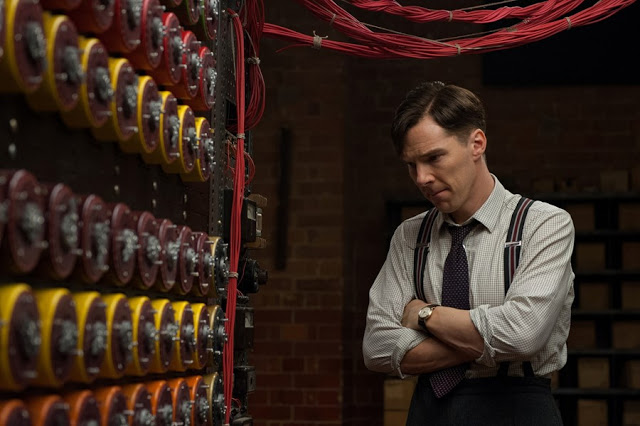
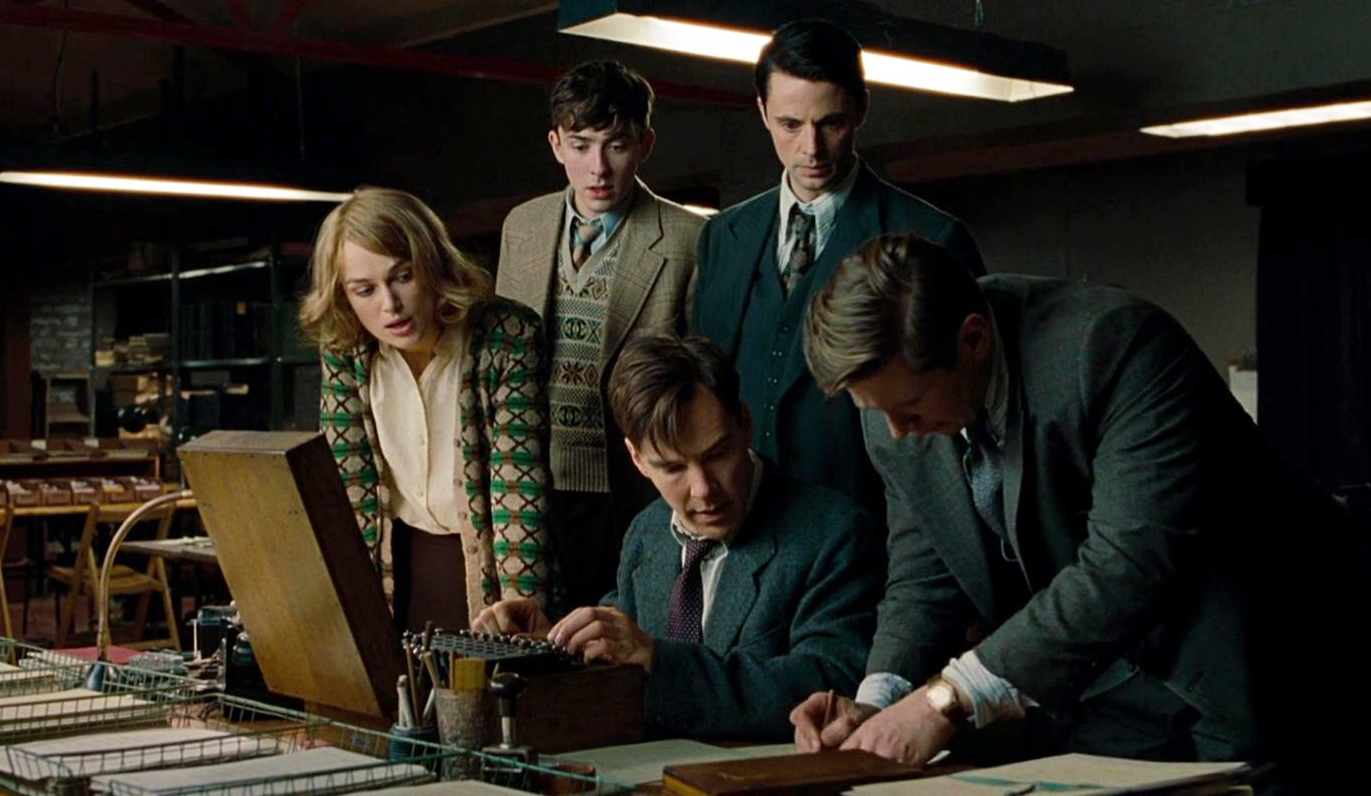
Based on the biography of Alan Turing by Andrew Hodges, “Imitation Game”, directed by Graham Moore, reveals the story behind Great Britain’s victory over the once undefeatable German Nazis. The main character, Alan Turing, develops as an intelligent, homosexual mathematician. He further sets out on the world’s major problem of decoding “Enigma”, a cryptogram used for communication by the Germans. In this way, Turing believes his group of intellectuals, Hugh Alexander, John Cairncross, Peter Hilton, and Joan Clarke, will end World War II.  Yet this task is viewed as being impossible, as it would take ten men twenty million years to test all of the possible outcomes. However, despite numerous quarrels, Turing builds a machine called “Christopher”, named after his past love, to decipher Enigma. After endless efforts, Turing and his cryptography team succeed in interpreting the impossible, allowing for the British victory. Unfortunately, the team of the best scholars were gathered under an agreement to keep everything a secret; thus, none of them were honored for their work. In fact, Turing commits suicide after multiple years of taking pills to cure his homosexual identity. 

The movie was commended for multiple elements that kept the audience drawn in during the entire time. These aspects included the factors that play a significant role in most screenplays: dialogue, personal conflicts among the characters, and realism. 

First, the words spoken by each character distinctly showed their personality, as well as their stance in the screenplay. Especially within the group of intellectuals, the fast pace and diction used provided a sense of their intelligence. One of quotes, repeated twice, by Turing was “Do you know why people like violence? It is because it feels good. Humans find violence deeply satisfying. But remove the satisfaction, and the act becomes… hollow”. This statement reflects Turing’s hurtful past, but also conveys the level of deep thinking Turing with regard to every action an individual takes. 

Furthermore, the character shares his story and the pain he undergoes merely because he is gay.  Turing’s childhood is depicted to reveal the times when he was often bullied, yet was rescued and encouraged by his friend, Christopher Morcom, to pursue his passions. At this moment, Turing realizes that he is not ordinary, and falls in love with his best friend. Morcom claimed, “Sometimes it’s the very people who no one imagines anything of who do the things no one can imagine.” In this sense, his old best friend may have been the leading motivation for Turing pushing his team beyond their limits and eventually helping them achieve their goal. 

Many may assert that these personal conflicts digressed from the main focus, yet I think Turing’s homosexuality suggested the perceptions of this time period (in comparison to the modern day). To further elaborate, LGBT civil rights advocacy and the Human Rights Campaign praised this screenplay for addressing Turing’s legacy. In other words, this screenplay implies the fact that one’s identity should not be an obstacle to success. 

One of the most important factors of a screenplay is the realism. Although the authenticity of a movie may differ depending on the genre, realism evokes sympathy; thus, the more realistic a movie, the more relatable it is for the audience. Moore intertwined a quick overview of Turing’s life story. Indeed, if the plot had simply revolved around the single idea of decrypting Enigma, it would’ve been conversation after conversation discussing different methods. On the other hand, by including flashbacks and connecting Turing’s childhood to his adult life, the director presented a more developed character and interesting storyline. 

Moreover, one other aspect that led to the popularity of “Imitation Game” was the well-chosen cast. Benedict Cumberbatch, who played Alan Turing, suited this quick-witted character extremely well in terms of appearance, voice, and action. Cumberbatch is already a prominent actor, since he starred in multiple movies as the main character, such as “Dr. Strange”, “Sherlock Holmes”, “Frankenstein”, and “Hamlet”, often nominated for the Best Actor Academy Award.

This screenplay not only provides historical and educational context, but also acknowledges Turing for his accomplishments. As the movie marks its close, the ending credits provide further information as the director decided to list statistics, highly complimenting Turing for his influence during the war. 

However, although this screenplay is factual, it contains one flaw: the accuracy of historical information may be false. The overall movie followed the life of Alan Turing. However, because the biography was roughly covered, controversy rose about some scenes containing manipulated truth. While the movie was meant to inspire others and educate them on Enigma, the screenplay does not appear to fulfill its purpose with erroneous facts. For instance, one critic argued that Turing is known for his software creation, not the “computers” as mentioned in the ending credits. Hence, this movie proposes a clear, overall representation of Turing’s life, but not in a precise detailed manner. 

In essence, the screenplay “Imitation Game” heartened the audience to persist, proposing the theme of never giving up. To depict this message, the director adeptly utilized the dialogue, inner conflicts, and cast to make the movie more realistic. Thus, this screenplay most certainly deserves its recognition for Best Writing, Adapted Screenplay for its numerous positive components, despite its historical inaccuracies.  


Wonder Woman (2017)

Screenplay Critiques

Directed by: Patty Jenkins

Awards: Movie of the Year, Best Woman Director, Best Action Movie, Best Visual Effects

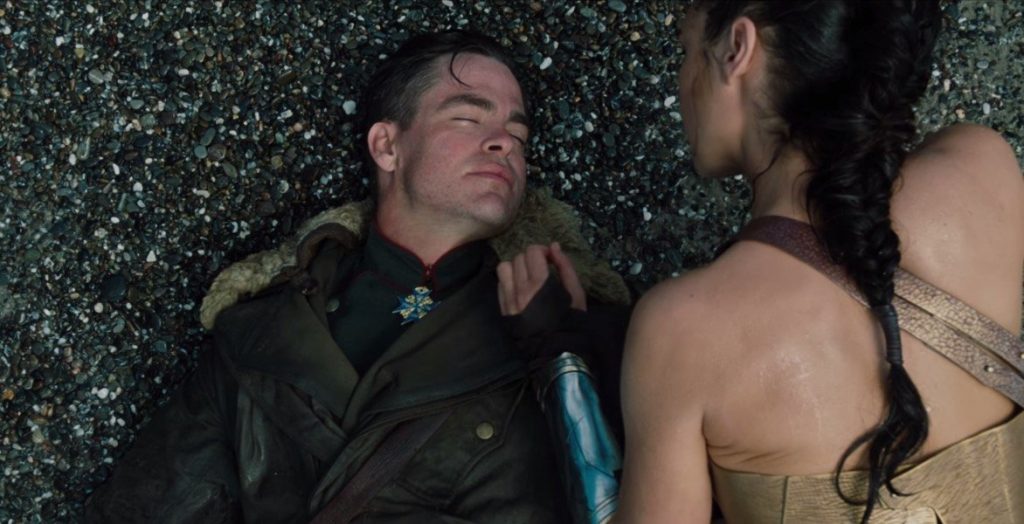
Set in World War I, “Wonder Woman”, DC’s new release, was a big hit at the theaters. It received particular praise for its original plot structure. In the past, males had always taken over the main protagonist role; however, “Wonder Woman grabbed much attention despite the fact that it was the very first movie with a female protagonist playing the dominant superhero role. In this screenplay, director Patty Jenkins, explicitly portrayed the heroine as a strong, independent women who did not seek any help from men. In fact, while the citizens of England were caught in chaos and the men were afraid to fight through the atrocities, Diana (Wonder Woman) stepped up to fight and lead the battle. Regardless of the fact that the soldiers called the victory “impossible,” Diana risked her life to bring about peace.

To begin with, the overall screenplay was appealing to the audience because of the entertaining action and slightly violent portrayals. Similar to most Marvel and DC comics movie, “Wonder Woman” consists of many computer graphics, effects, and body movement. To craft the character as a valiant heroine, Jenkins included war illustrations with realistic weapons and shields. Yet, throughout such action scenes, Diana attracts the audience’s attention with her captivating suit, shining with the colors of yellow, red, and blue, representing the patriotic colors. Meanwhile, when Diana is revealed to the public, Steve forces her to blend into the crowd, by covering her with a warm, brown-colored coat. In this way, the director allows the audience to understand the method the protagonist uses to switch back and forth from a common individual to a heroine. 

Furthermore, the movie was not only engaging, but it was also humorous. Unlike the action scenes in which the characters were heroically displayed, their conversations were full of humor. For instance, the second encounter between Diana and Steve Trevor was when the male protagonist was taking a bath in a hot tub. However, rather than finding this scene inappropriate, the audience found it witty, because Diana had never met a man before, and asked if every man was like Steve. Steve then smirked, while replying that he was “over-average”. For young children, this conversation would have been humorous because he seemed to speak of his appearance. On the other hand, young adults interpreted it in a more mature manner, as the man was covering his genitalia. Such lighthearted jokes embedded throughout the movie allowed the characters to appear more relatable rather than simply unbelievable superheroes. Although the manner in which the dialog may have been different, both types of viewers found the movie interesting and comical. 

To further elaborate on the idea of Diana’s first interaction with a man, they first met on the island of Themyscira, a land of amazon women, where Diana grew up. The view of this location was unique, since not many screenplays have solely utilized women to exhibit courage. Moreover, in contrast to a Barbie world or a typically imagined princess land, Diana’s home was full of women, who were fierce warriors ready for battle. The entire story begins with the young heroine desperate to receive training from her aunt, in spite of her mother’s refusal. Thus, at first, the island is disclosed as a beautiful territory, abundant of green grass, rocky mountains, and clear, non-polluted oceans and skies. However, as the camera shifts the attention towards the women, it is evident that these women are not merely charming princesses; and so, Diana also hopes to grow into an ardent individual, who is capable of saving the world. A single scene clearly displays her exceptional powers, as she releases a strong force, which injures her aunt, the boldest warrior of Themyscira.

Most importantly, this screenplay embraces numerous quotes that have supported feminism and revealed the abilities of women. One of the inspirational quotes was “I’m willing to fight for those who can’t fight for themselves”. If this line had been recited by a typical male hero, such as Superman, the expression may not have been such an influence to feminists. This is because the present world revolves around a current issue of gender inequality. Females are expected to speak carefully and quietly, while males are found to speak words without doubt. Consequently, if a man spoke such words, the movie would have been cliché and common; however, once Diana uttered these words, the audience complimented the screenwriter for her willingness and boldness to release such words from a woman. 

Another example of a powerful quote was “I am the man who can”. This quote implies that women may be able to perform certain actions that men are incapable of achieving. This implication is brought about because this quote was spoken when the daunted men were trembling in fear. In view of the fact that the men were too fearful, Diana rose up without hesitance and shielded the men. This scene is easily found in other movies, but often with the genders reversed. This specific event was one of the most eye-catching moments as it clearly exposed the fact that females can be as strong, or even stronger than males. 

In conclusion, “Wonder Woman” was a screenplay incorporating elements from World War I, within a plot depicting the power of women. In light of the fact that recent social activism has placed a focus on women’s rights through the Women’s March or the #MeToo movements, the movie appeals to women’s interest by highlighting the abilities and qualities of women. These protests have encouraged women to speak up against sexual abuse, similar to how “Wonder Woman” brings about courage for women to fight with or against the men. Thus, this screenplay does an admirable job of advocating for women in society, especially in the fields of entertainment. 

Spider-Man: Homecoming (2017)

Screenplay Critiques

Directed by: Jon Watts

Awards: Choice Summer Movie, Best Actor, Best Title Sequence

Numerous actors have portrayed the major role of Spider-Man over the years. Known as a crossover character of both DC and Marvel, Spider-Man often played a role in DC comics to fight off certain DC characters. However, this character originated in the Marvel comics, and DC simply co-produced him. Therefore, Spider-Man is found interacting with multiple heroes from the Avengers Team. More so, in the most recent “Spider-Man” movie, Tony Stark, also known as Iron Man, made an appearance, supporting the teenager in taking on his arduous tasks. “Spider-Man: Homecoming” has received much praise not only for the original plot line, but also for the appropriate cast selection. 

To begin with, unlike the past “Spider-Man” movies, “Homecoming” was applauded for the most realistic plot line the story held. In contrast with other heroes, who are often portrayed as “intrepid” and “perfect”, the teenage Peter Parker had many flaws and shortcomings that made him more “human.” For example, when it came to his outfit, Spider-Man was restricted to the materials he had under his own control. Thus, he fights the bad guys while wearing his own hand-made superhero outfit. Plus, the action of “sprinting” rather than springing spider webs depicted the character in a humanly manner. 

Along with Spider-Man’s earthy physical attributes, his sense of humor was praised as well. Screenplays may not appeal to the audience, especially if the action movie merely includes deaths of antagonists. Yet, “Spider-Man: Homecoming” incorporates teenage jokes to keep the audience entertained. One of the scenes displays Peter Parker’s best friend, Ned, deciphering codes. However, when caught in the computer room, he lies that he was watching porn, a relatable topic for teenage boys. The story overall encloses a wide variety of topics that shaped the film in a relatable, but comical way. 

Furthermore, the screenwriter seems to constantly remind the audience that the hero is a normal teenage boy, who happens to have some supernatural powers. The scenes switch back and forth from the Peter Parker’s school life to Spider-Man’s heroic life. This scene change implies that Peter Parker is still immature, but is trying to become an adult. In other words, the two different lives of one character builds a distinct dichotomy within him as a student and as a hero. Moreover, the recent movie establishes Peter Parker’s characterization skillfully. This is because, the audience is able to understand that Peter is, in fact, quite intelligent as he is encouraged to participate in the Nationals of a Debate Competition. Such scenes help the audience conclude that although Spider-Man may need Iron Man, Peter Parker on the other hand is inherently a very diligent and independent person. 

The most striking scene of “Spider-Man: Homecoming” was the introduction. Following the previous “Spider-Man movie, presented in 2012, this screenplay also opens with a personal film by Peter Parker. Shown in the main character’s perspective, the beginning film naturally transfers into a third person point of view, signaling the official start of the movie. This unique introduction grasped the audience’s attention as it provokes the audience to be placed in Peter Parker’s position, at least for two minutes. This filming technique may be useful in placing the audience in the main character’s shoes. Seemingly, this scene created an impact on the realistic aspect of the movie. 

Lastly, the most important feature that contributed to the popularity was appropriate actor selection. In the past, complaints were raised on how the teenage story was unrealistic due to the unfit actor choice. An example would be Andrew Garfield, who was denounced for looking too old in comparison to Peter Parker, who was supposed to be a high schooler. On the other hand, Tom Holland, Spider-Man of “Homecoming,” suits the character as he is not only short, but also young. In this way, the public believed the movie advanced into a more attainable movie. 

Overall, this screenplay was one of few “Spider-Man” movie series that were applauded for exciting the audience. The most important and celebrated aspects of the film were the humorous scenes incorporated to amuse the audience during serious events. The movie, begins with a personally recorded film by the main character, allowing the screenplay to flow naturally. Hence, the newly released “Spider-Man” movie resulted in much popularity because of diverse elements that crafted such a great screenplay. 

Shrek (2001)

Screenplay Critiques

Directed by: Vicky Jenson, Andrew Adamson

Oscar Awards: Best Animated Feature, Nominated as Best Writing, Screenplay Based on Material Previously Published or Produced 

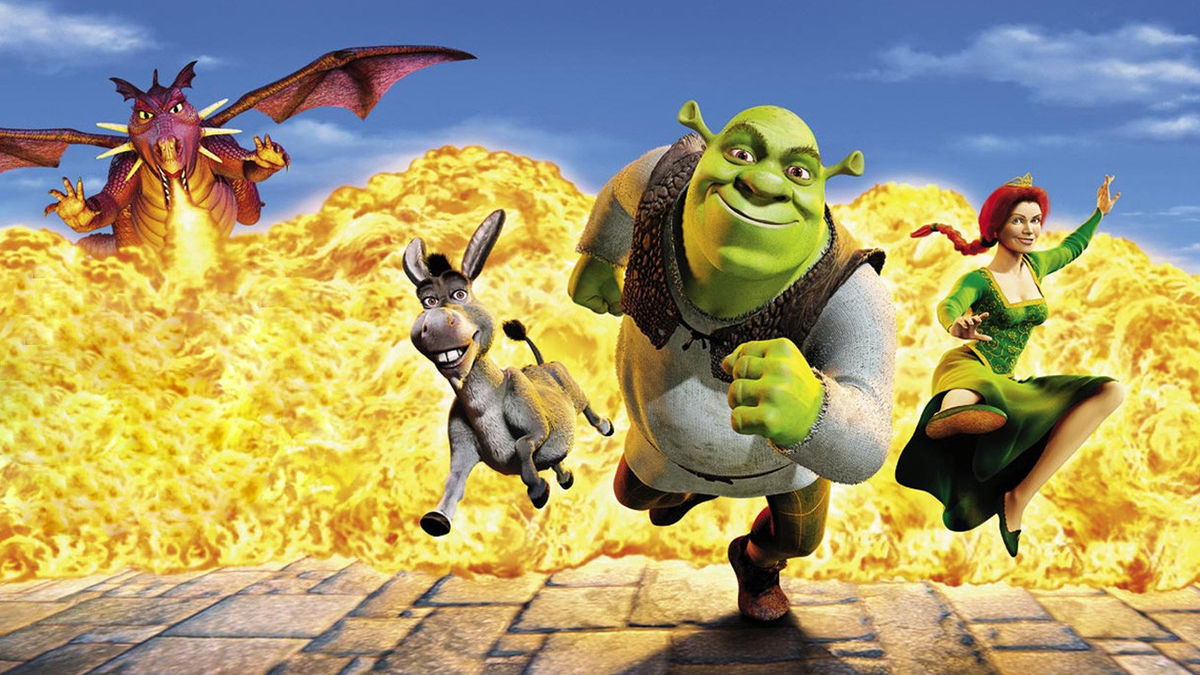
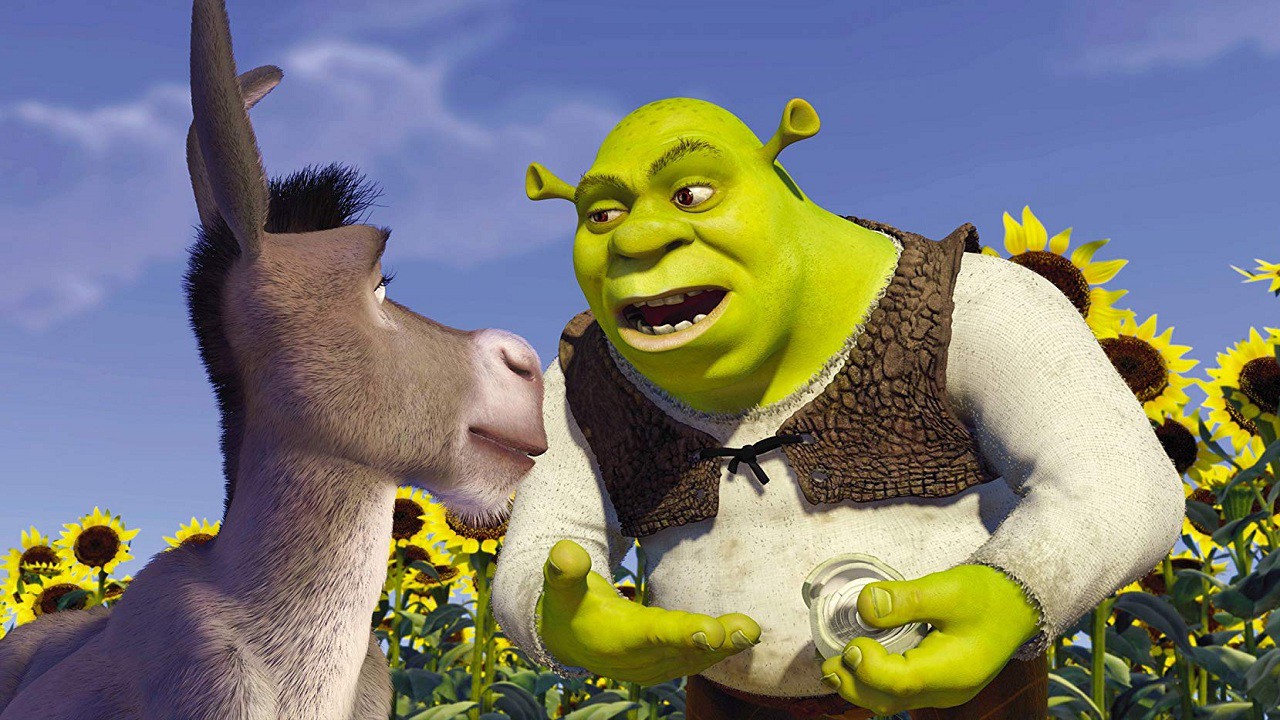
When “Shrek” was released, many viewers found it either humorous or disturbing. Shrek is truly “one of a kind” because the main character not only changes stereotypes, but also sheds light on a new standard of beauty and love. Unlike most princess movies, “Shrek” introduces the idea that appearances can be deceiving. 

Shrek, an ugly ogre, petrifies all of the humans with his unpleasant appearance and fearful demeanor. This leads Shrek to live a hermitic life and grow to dislike the company of others. However, when he meets Princess Fiona after rescuing her from a dragon-guarded castle, he eventually falls in love with her quirky personality. Therefore, even when Shrek realizes that Fiona is also an ogre, his fascination with her remains the same. In contrast to the other characters, Shrek had found the beauty that lay inside Fiona’s heart. 

“Shrek” can be viewed as another movie about an impossible romance – this time, between an ogre and a princess. In other words, this screenplay vividly exposes the fact that love does not, or at least should not, come from simple physical beauty. Other fairy tale movies have placed great emphasis on the attractiveness of princesses. On the other hand, the characters of this movie seem to charm the audience through their eccentricity, rather than their comeliness. In fact, this movie stays faithful to the adage, “do not judge a book by its cover.” Although this statement is cliche, for young viewers, this movie allows them to learn this in an easier way.

However, this contradicts the typical idea of princess movies. Certain benefits may exist, but the theme of “inner beauty portrayed as outer beauty” is broken. Despite the fact that a “standard” of beauty is built, most princess movies end “happily ever after” with the elegant and the heroic characters marrying. Indirectly, this repetitive conclusion supports the idea that the wicked are grotesque and the good are graceful. In contrast, “Shrek” shows two ogres falling in love—the exact opposite of the traditional ending. Thus, the audience is encouraged to re-define their view of a “happy ending.”

That said, many parents found this film inappropriate for their children. This is because of the various depictions of insect consumption, mud baths, and other gross scenarios. The relevant scenes in “Shrek” were constructed with vivid, yet grimy visual effects. Therefore, in spite of the creativity of the screenplay, a great number of adults found the movie to be distasteful. 

Perhaps, however, if the movie avoided the gross humor, would it have been more appealing? If the ogre was depicted in a more genteel manner, the crux of this character would be lost. In fact, his gross behaviors (such as farting in a mud bath) were comically portrayed. As such, I believe that parents who were offended need to lighten up.

All in all, this screenplay is a juxtaposition of unique characters against a typical fairy tale plot. This movie embodies both pros and cons, which is why it was both acclaimed and criticized. Yet, in the face of all of this, “Shrek” continues to stand as one of the best and most popular movies produced by Dreamworks. This popularity was enough to spawn several sequels and spin-offs.

Rocky (1977)

Screenplay Critiques

Directed by: John G. Avildsen

Awards: 1977 Best Picture, Best Director, Best Film Editing, Nominated as Best Writing, Screenplay Written Directly for the Screen

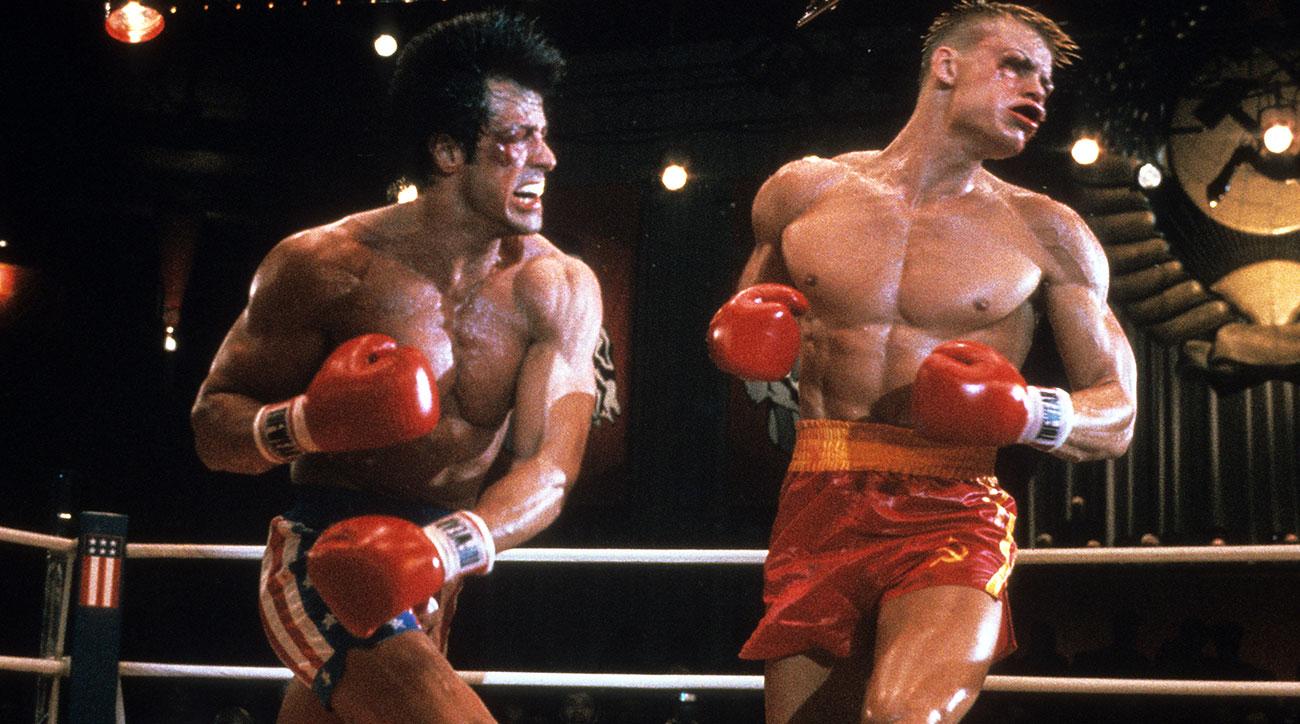
Both written and acted by Sylvester Stallone, “Rocky” introduces the life of a Italian-American boxer’s struggle. Rocky Balboa, also known as the Italian Stallion, accomplishes his dreams as he encourages the world, from poor to rich, to stay strong under all circumstances. Despite the low conditions Rocky is forced to live under, the uneducated boxer continues to train himself in a meat warehouse. He constantly practices while collecting debt for a loan shark in Philadelphia. Although Rocky begins as an small-time club fighter, he grows to gain popularity through a final shot at the world heavyweight championship. Brawny, but definitely sweet, Rocky Balboa warmed the heart of dozens of people in the audience as he appeared to hold the all the best possible personalities. 

To begin with, this screenplay’s most important message is “never give up” as it builds hope for the citizens looking towards their American dream. Back in 1976, this was often the major thought implied by both authors and screenwriters. This story directly delivers this message. However, this movie, and especially this cliche, received a lot of backlash simply due to the reason that it was overused and unrealistic. 

“Rocky” most likely encountered more disapproval in the modern day as people now realize that this screenplay wasn’t as superior as it was praised back in the days. This movie was awarded not only one, but a variety of prizes from Oscar, ranging from Best Actor to Best Film Editing. On the other hand, modern-day viewers don’t come to understand the acclaim this screenplay was presented. Furthermore, unlike the book, To Kill a Mockingbird, by Harper Lee, this movie grew to be viewed as a unsuccessful piece of work. This was also because Harper Lee told the real story while Sylvester Stallone told the imaginative story. Even today, this message is not often used because of the criticism people give. 

However, although the message was evidently persistency, several events or conflicts throughout the screenplay caused the theme to seem like love. Another character, Adrian Pennino, is Paulie’s younger sister slightly forced to fall in love with Rocky. The Italian Stallion makes numerous attempts to steal the heart of Adrian. When the two adults finally fall in deep love and begin bonding a relationship, Adrian always motivates her boyfriend to push him over his limits. 

Therefore, several viewers were unable to reach a consensus between perseverance and love. It is true that Rocky Balboa overcame his obstacles alone, but whenever he confronted an impossible barrier, Adrian Pennino was his milestone to guide him around the problem. Thus, the movie creates confusion as Adrian’s love appears to trigger Rocky’s thought of dedication. The theme is yet left questionable: own determination? or the power of true love? 

In relation to the couple’s relationship, the implement that tied the two lovers together was not only Paulie, but also their matching personalities. These two main characters were praised for their realistic acting as they were soon chosen as many people’s favorite couple chemistry. Rocky opened up stereotypes and brought to life a new “trend” of non-matching body and character. This means, although he was a muscular figure fighting for victory in a boxing match, the inside identity was an amiable boyfriend desiring to fulfill his girlfriend’s wishes. Though both characters were admired, Rocky was criticized at the same time, seeing that the boxer was too perfect. 

First of all, this boxer achieved all his goals and eventually jumped over all the hurdles blocking him. Second, Rocky fell in love with his “destiny” and managed to keep Adrian by his side at all times. Third, his popularity suddenly advanced from a single match at the championships. Lastly, the character held a well built figure and a genial personality. All these aspects lead to a flawless man, which is not possible in the real world. In this way, the audience finalized the movie to be part of the fictional genre. 

Moreover, another main character who appealed to the viewers was Paulie Pennino. A friend of Rocky, and an owner of the meat warehouse, Paulie is often an aggressive alcoholic, who rages in jealousy of others. Yet, he does truly care for those around him and stands up for Rocky when insulted; in spite of his envious feelings for Adrian and Rocky’s relationship. The actor who played Paulie’s role attracted the audience because of the conflicts he was experiencing. Paulie is rough in action to Adrian, but it is soon revealed that this is for her and Rocky. This terrible brother believes everyone owes him money or something as he expresses his true feelings in a scene where he breaks all the furniture.

In addition, another blemish to touch upon is the camera quality and film edits. Because the screenplay was filmed in the 1970s, the low camera quality, as well as the poor film editing skills, is inevitable. There are some awkward, or unnatural, transitions from scene to scene. Even so, if this movie was ever remade in the 21st century, the condition and flow would have made the film more relatable. 

In summary, Rocky was an inspiration to many people in the 1970s, but soon became a looked down screenplay. No longer is this movie a hopeful, flawless movie, but is now seen as a screenplay that hadn’t deserved the applaud. The first flaw was the unachievable dream that came true, merely to imply the cliche of “never give up”. The second flaw was the perfect characters that would not exist in reality. The final flaw would be the debatable theme leading to skepticism. However, this screenplay is still recognized for the unique, but genuine struggles and relationships. 

La La Land (2016)

Screenplay Critiques

Directed by: Damien Chazelle

Awards: 2017 Best Achievement in Directing, Best Achievement in Cinematography, Nominated as Best Original Screenplay

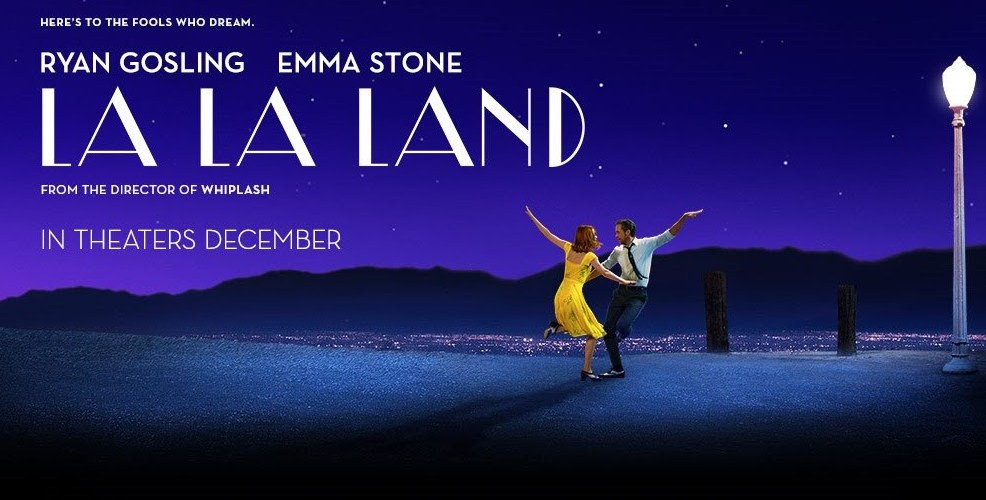
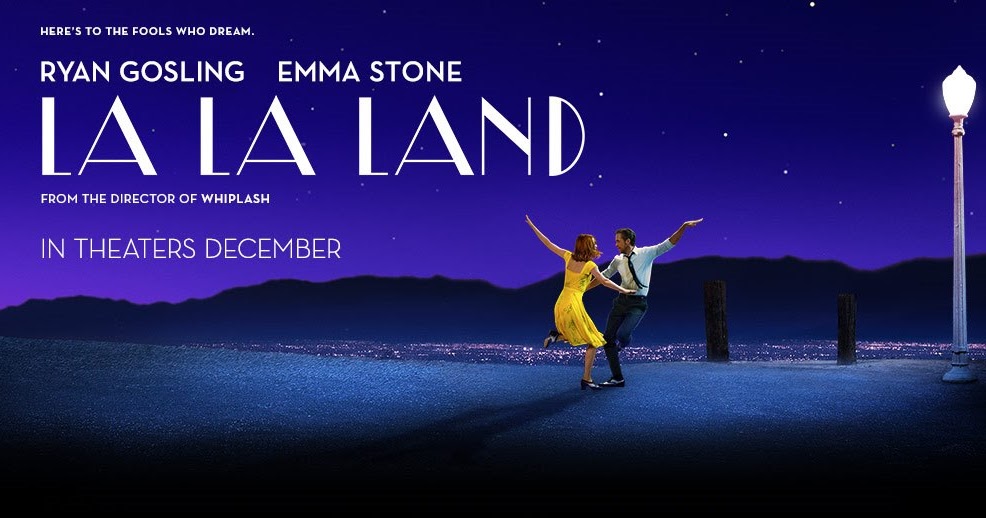
“La La Land” is a screenplay in which irony, romance, and comedy exist at the same time. The two main characters, Mia and Sebastian, have met twice before they paradoxically fall in love, despite their past quarrels. Both hold a dream that is lost somewhere between nostalgia and fantasy, as Mia dreams to become a Hollywood actress and Sebastian dreams of a career as a famous jazz musician. These two characters support each other’s dreams even throughout their complex relationship; however, the couple head in different paths in pursuit of their personal dreams and give up on their love. 
The movie begins ironically as the scene is described to be set during “winter” season, but shows warm weather with the song playing “Another Day of Sun”. All of the people dancing on the highway are dressed with colorful attire, appearing as they would in a typical summer day. Similarly, the overall screenplay is full of other contradictions, as two different concepts are juxtaposed in most of the scenes. While the movie is humorous, it is also serious, and it is uplifting, yet also heartbreaking. In other words, the screenplay highlights the importance of dreams and relationships, but also depicts the reality of how both cannot always come true together. 

Ironic moments have appeared in many scenes. “La La Land” is often called a romantic comedy, especially because of the brightly portrayed sets, attires, and friendly relationships. In addition, the love that blossoms between Mia and Sebastian begins from cute comical fights, which develops into a deep romance. However, as time passes, this love becomes dull and is covered by seriousness. This creates larger arguments, which eventually lead to hatred. Furthermore, the movie is full of encouragement and hope until the relationship breaks. This moment releases the couple into reality where they cannot achieve their love and dream at the same time. 

 In relation to time, there are five seasons throughout the course of the screenplay. Each season appears to represent a concept, an act, and the change in relationship status between Mia and Sebastian. Winter represents irony or satire since the couple’s relationship begins in this season; they meet each other on the highway, in which Mia holds up her middle finger at Sebastian for honking the car at her. Spring symbolizes comedy, and blooming love because the couple overcomes their small conflicts and begin developing their relationship. Summer displays the finalized love as Mia and Sebastian are a complete couple, although they haven’t proposed or announced their love officially. They both understand that they love each other and continue to bond.  Finally, fall or autumn depicts the break in their relationship and how their love is brought to their end. Winter returns, but these two main characters are walking separate paths. 

The return of winter reflects the circle of life and flying time. During both winters, Mia meets a man, one with whom she breaks up, and another whom she marries and with whom builds a family. The returning winter reveals the flow of time and development of individual relationships. In other words, such repetition of seasons seem to explain how relationships form and break continuously over time. 

“La La Land” is unlike other movies as it is structured like a musical and scenes are created to appeal to the eye. Not only are the sets colorful and adorned, but also the music and songs played are meant to be emphasized. While other movies focus on the dialogues or monologues of the actors with slow, quiet music playing in the back, this screenplay places the focus on the songs. Music in movies helps set the mood, but in this movie, the songs are the script. The voices match with the songs, as well as the choreography and allows the movie to look country-like. 

For example, after the highway scene in the exposition, Mia and her friends are dressing up to go to a party. However, oddly all four of the girls are dressed in different colors of blue, green, red, and yellow. As they wait for each other and prepare for the upcoming party, they sing together. Following up this scene, at the party, everyone is rather dressed in brightly animated colors than formal black and white; this color code beautifies the scene. 

On the other hand, the musical element may have been designed to distract the audience. Although the emotions were well-developed through the pace or tone of the melody and the delivery of the speech was clear, the flow may have been unnatural. Yet, it is crucial to not forget that this movie is structured like a musical, and therefore, the script has to be built mostly of songs. This would evidently lead to some unnatural flow, but since the songs hold the emotions expressed in speeches, the flaw may be covered. 

Overall, “La La Land” is an ironic, yet chucklesome screenplay. One flaw to point out would be the ending. Controversies have risen from this unexpected ending, where dreams come true, but relationships don’t. The ending makes the entire movie about hopes useless. This is because both Mia and Sebastian have to compromise and give up their preciously built love relationship for the sake of their personal dreams. This may even appear selfish to the audience. This movie’s ending states that possibly reality can’t be perfect and that in reality, fate has to be recognized. The ending simply defeats the purpose of the entire movie. Except the twisted resolution, the screenplay does deserve to be nominated for the 2017 Best Original Screenplay Oscar Award. 

Inside Out (2015)

Screenplay Critiques

Directed by: Pete Docter, Ronnie del Carmen

Oscar Awards: 2016 Best Animated Picture & Nominated as Best Writing, Original Screenplay

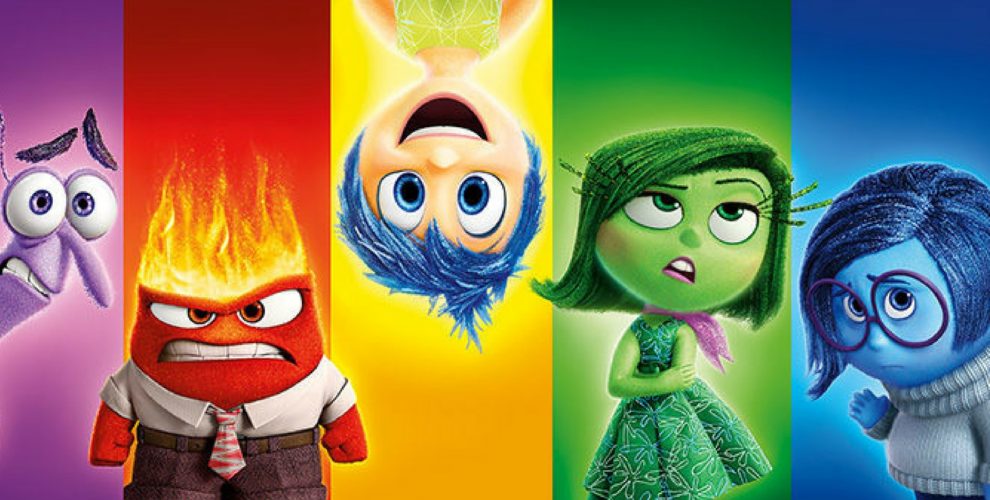
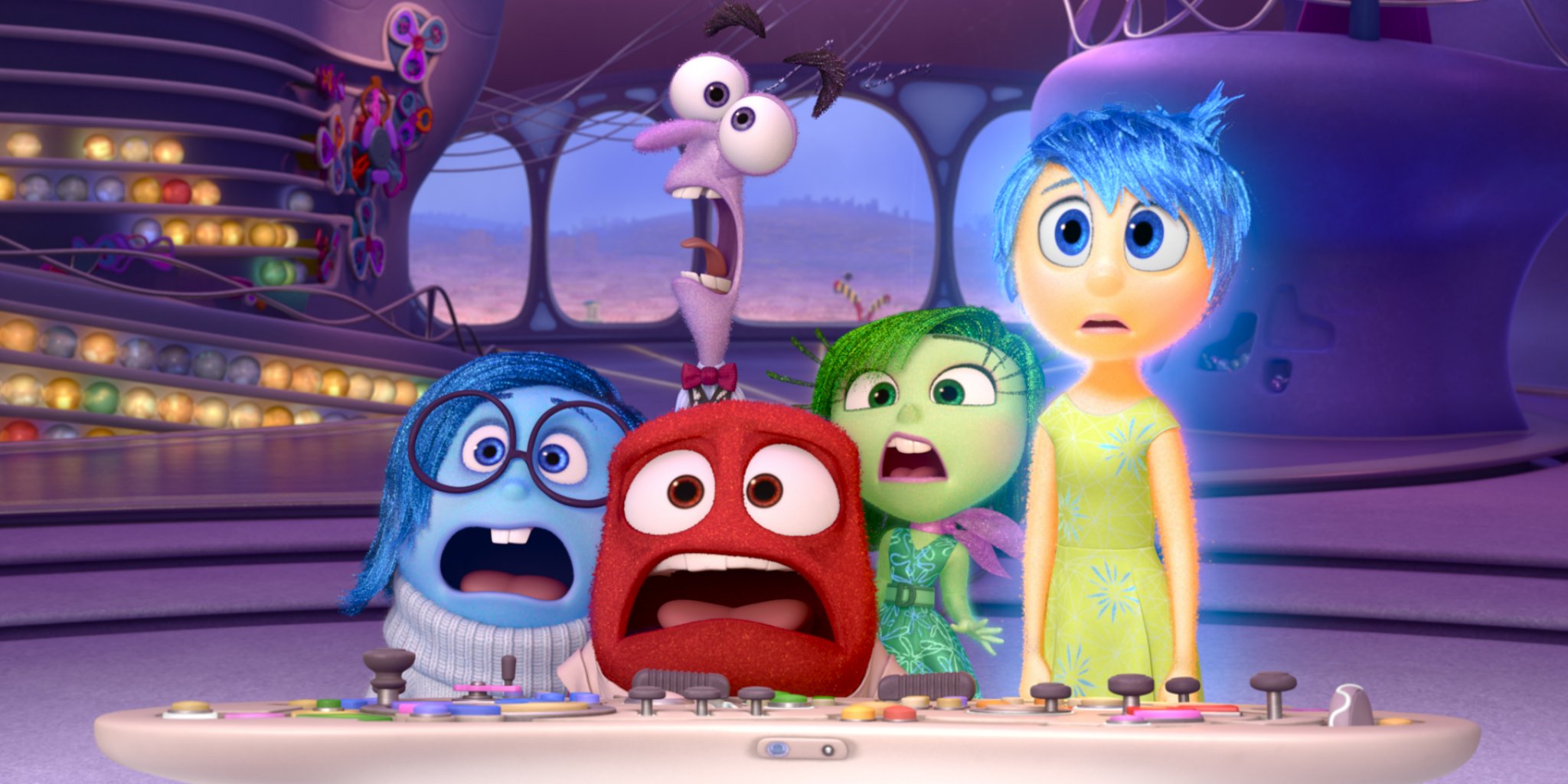
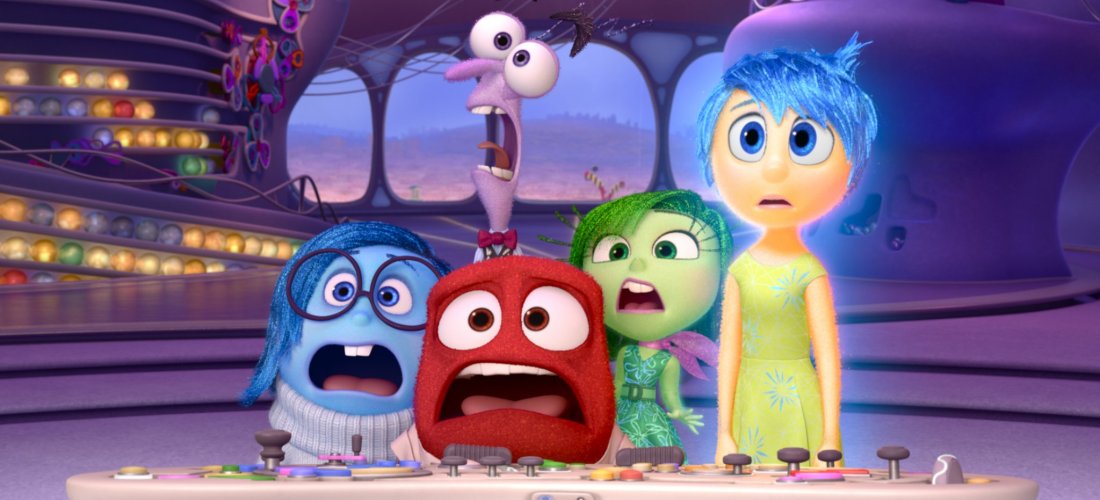
Based on an array of psychological and inner thoughts, “Inside Out” expresses the different emotions experienced by a young child named Riley throughout her childhood. Five main emotions are introduced: Joy, Fear, Disgust, Anger, and Sadness. All the emotions, except Sadness, are said to be crucial to Riley’s growth; Fear keeps Riley from physical dangers, Disgust prevents poisoning, Anger deals with self-esteem, and finally,Joy always keeps Riley optimistic. However, nobody finds the importance of Sadness as she is ordered to lock herself in the circle of sadness since she only brings down the mood. Nevertheless, at the end, all emotions are brought together in union and each memory is built with a mixture of feelings. 

“Inside Out” is developed with a unique, yet engrossing plot line, which brings to light the diverse psychological thoughts of an individual as well as the correlation of thoughts and speech. In many animated movies of the past, only simple ideas such as friendship, heroism, or family relationships could be observed, but this movie works easily to explain the psychology behind our speech. The overall fact that emotions could be expressed through separate characters seems to execute the thought that the movie is original and creative.

Another component that caused this movie to be distinctive was the perspective. Structured in a third person point of view, this screenplay explains “to put yourself in someone else’s shoes”. This means, the audience views the world in Riley’s point of view. This slightly gives a break from a personalized reality, and is a chance to understand how others may be living, or how others may be affected by one’s life. For adults, this screenplay may have been an opportunity to look back at their childhood and recall all the past memories of youth. Especially because this screenplay is arranged in a young teenager’s perspective, the story is easily relatable. 

Not only is this screenplay nuanced, but it also is accurate. Through this screenplay, the audience is easily able to recognize how the conversion of a short-term memory to a long-term memory occurs. Many people may believe that a possible flaw of “Inside Out” is that the facts describing the human mind are incorrect. On the other hand, numerous scientists have reached a consensus that the psychological relationships are, in fact, quite errorless. 

For example, Riley’s core memories are formed from a base of a simple memory, but the idiosyncratic memories are constantly repeated, growing into long-term or core memories. These memories are most likely never forgotten as they shape an individual’s personality. This screenplay explains this psychology with the islands of personality: family, friendship, hockey, honesty, and goofball islands. Other memories, called short-term memories, may be forgotten or faded. 

Despite the fact that psychology is complex, “Inside Out” makes the concept of memories and personalities simple. Likewise, the movie consists of simple, easy names, especially that of the emotions. Instead of holding twisted, intricate names that need an explanation, each of the emotions have the common names that we use on a daily basis. In this way, the names correlate to their meaning of existence. Furthermore, the repetition of emotions such as “happiness”, “joy”, or “sadness” reminds the audience of the main character’s current feeling. This allows a clear understanding of the change in Riley’s thoughts as the scene alters. 

One of the most essential elements of a screenplay is the script. This movie deserves the Best Writing, Original Screenplay Oscar Award, as well as the Best Animated Picture Oscar Award. Although “Inside Out” was merely nominated for the Best Original Screenplay Oscar Award, the screenplay is worth the prize for multiple reasons. For instance, the simple diction provides a fast and straightforward comprehension of the emotional concepts. Therefore, the movie fits the appropriate audience since a wide range of ages could enjoy without much trouble. 

The story provides an understanding of puberty and how youth approaches it. Through the visuals of inner thoughts, younger children may agree with Riley’s feelings. In other words, teenagers will find the feelings relatable. For example, when the father introduces broccoli to Riley, she is disgusted and also angered at the same time. These are the moments in which Disgust and Anger are introduced. Due to the collision of emotions attempting to take control of Riley’s mind, as time passes, more of Sadness, Disgust, Anger, or Fear fill her thoughts than Joy. 

This process, so-called puberty, maximizes emotions of frustration to be expressed, often more than happiness. This leads to the quarrels with siblings, parents, or friends. An example from the movie would be when Joy goes missing and Riley is taken control by Anger, Fear, and Disgust. All three of them try to act as Joy, but failure leads Riley to run away from her home. When Riley overcomes this conflict, all her islands of personality rise and her thoughts mature.

“Inside Out” is praised by almost all people, but one flaw I noticed was the theme. I constantly wondered what message the director was presenting to the audience. Of course the main topic would be somewhere between coming of age and maturity; however, what would be the true purpose of creating this movie? There may have been countless reasons such as an explanation of puberty, the reason of frustrated teenagers, or so on. Despite the fact that the movie was a great entertainment, there is a slight concern about what the message really was. 

In conclusion, “Inside Out” was amusing and enjoyable. Because the main emotion of all five emotions was Joy, the screenplay did encourage children to stay positive as much as possible. The statements of motivation, such as “It will be alright” or “It’s okay” brightened the overall mood of the movie. Moreover, the ending was not only satisfactory, but also inspirational as well. Even until the last moment of the movie, Joy maintains her happiness, which results in a happy ending. All the emotions cooperate in building Riley’s memories and improving her islands of personality. The last impression given by a movie impacts the reviews written by the audience, and because the end was propitious, the screenplay received much acclaim. 

Birdman (2014)

Screenplay Critiques

Directed by: Alejandro González Iñárritu

Oscar Awards: 2014 Best Motion Picture of the Year & Best Writing, Original Screenplay

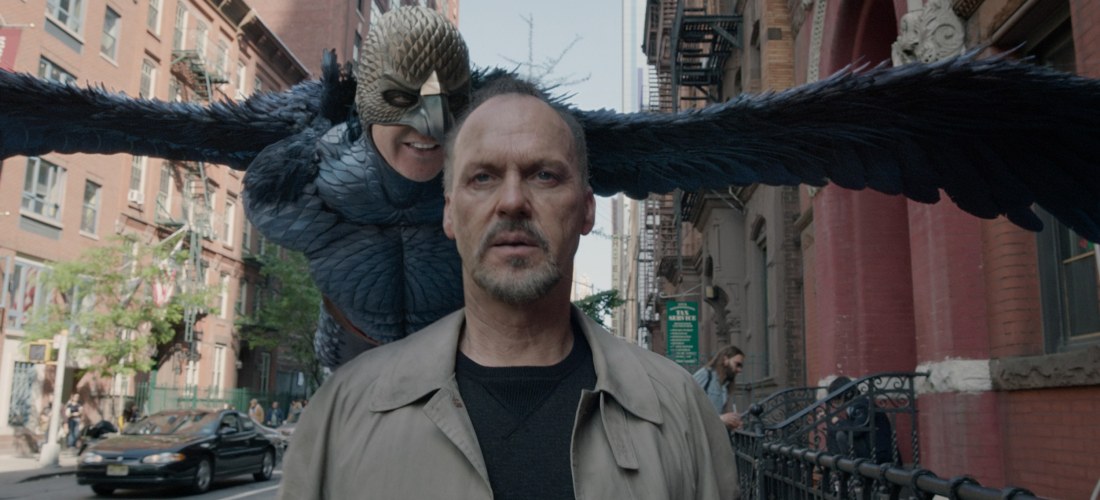
The screenplay, “Birdman”, brings a light to the innumerable conflicts one man has to deal with, before achieving success. Throughout his dream of carrying out a play, “What We Talk About When We Talk About Love”, to the audience, Riggan Thomson encounters obstacles that delay his work: insatiable actors, his complaining daughter, his pregnant friend, and his concerned ex-wife. Despite all these personal conflicts, he still has to face the worst obstacle: the Birdman voice. One man, Thomson, faces the inner voice that constantly distracts him – forcing him to believe that he is the finest, perhaps the best, in the world. As if holding an angel and devil on either side, Thomson is bewildered by his own decisions. 

Despite the fact that this screenplay has received an Oscar for its screenplay, the actors allowed the movie to shine, not the script. There weren’t any impactful quotes, not even in the ending scene. Furthermore, the overuse of swear words appears to emphasize such inappropriate words gratuitiously, and create a serious, dull mood. In particular, such negative diction was utilized by the main character. As such, Thomson is portrayed as a childish, spoiled actor and director rather than a heroic figure. On the other hand, he was supposed to appeal as a “hero” to not only the audience in the movie, but also the audience of this movie. 

The dialogues throughout the film were not scripted well enough for the movie to be rewarded with an Oscar for its screenplay. “Birdman” not only holds a negative connotation, but also never grabs the audience’s attention. The true purpose of a screenplay is to grab the interest of the audience simply through memorable words or dialogue, yet this movie attempts to attract the public through action. Again, Thomson is referred to as a star to the citizens in his country. However unlike other superheroes, he doesn’t particular have a representative line and only has his personal mask. This shows how this screenplay doesn’t necessarily affect anyone. Most other movies influence and awe the public through quotes, but because this movie does not include such lines (at least not to me), I think this is another reason “Birdman” doesn’t deserve any screenplay awards. 

Moreover, another flaw was the “one-take” scene. There were numerous scenes where the camera followed one actor through a long hallway connected to a long staircase. These long shots that occurred in the hallways seemed only as déjà vu and useless repetition. These scenes are pointed mainly in Thomson’s point of view, and continuously show the same characters: Sam, Jake, and Mike Shiner. There was no point to this as the repetition did not represent or emphasize a single point, except the fact that the scenes all took place in the same hallways with the same people. Most commonly, long cuts are placed to display the long hours that have passed, but none of the one-take, long shots are utilized to depict this idea of elapsed time. 

One final weakness of “Birdman” is the unclear plot. Because it does not have a clear story, neither does it have a thoroughly thought-out theme. The message revealed is ambiguous; in fact, perhaps there wasn’t even a message. The movie’s end begins with the main character’s suicidal attempt on stage. Thomson points a real gun in replacement of a fake one, and shoots himself. However, he fails to kill himself, but receives extreme fame and attention from the world. The screenplay ends with Thomson almost dead and receiving fame. This spreads the immature notion that a person can “do anything you want.” 

Also, the story has no clear exposition, rising action, climax, falling action, and resolution, which are the basic elements of a movie or book. The conflict is unsettled as I ask myself, is the conflict…the inner voice? the surrounding people? his environment? the uneasy flow of his play?—there are too many problems the characters are dealing with to point out the main conflict. Additionally, the screenplay ends with Thomson as a proud Birdman, but this scheme cannot be observed within the movie as each scene arbitrarily jumps from one to another. 

A strength of this movie is that the story is extremely original. In terms of originality of plot line, the screenplay is recognizable and does deserve a prize. I have never encountered any similar story before, not even in hero movies. The numerous conflicts Thomson comes across is unusual, but also the element that makes “Birdman” complex and unique. The most unique aspect of this movie is the common main character with a common dream, but an uncommon ability to fly. It is also entertaining to listen to the inner voice, which expresses the emotions more easily than facial expressions. 

In conclusion, “Birdman” consists of mostly negative elements in need of change. Although this movie won the Oscar 2014 Best Motion Picture of the Year & Best Writing, Original Screenplay Award, I think the script does not merit such an award because the screenplay does not even incorporate the basics. Yes, the movie is original, yet is composed of purposeless scenes, non-influential dialogue, and doubtful resolution.

Spotlight (2015)

Screenplay Critiques

Directed by: Tom McCarthy

Oscar Awards: 2016 Best Motion Picture of the Year & Best Writing, Original Screenplay

Based on a true story, “Spotlight” reveals the difficulties experienced by an investigative team, in which the members attempt to keep their stories confidential until they officially disclose them to the public. “Spotlight” exposes the cautious mindsets of the journalists as they are attentive to even the most minor facts, especially while working on sensitive subjects. This movie focuses on one such story the journalists were shining a spotlight on: a story about dozens of priests who had molested young, innocent children. The Boston Globe, a news source upon the events of Massachusetts, went straight to work on going through all the evidence they can find, which will support their thoughts on the ignored accidents and sexual abuses committed by certain priests.

This screenplay is structured in a typical way any other movie would be structured, in an omniscient perspective where most of the characters own an opinion and the audience can view all of such. “Spotlight” includes several flashbacks as the characters encounter several moments they have to look back upon from the past. Especially because the movie was based upon an investigative team, as the examination of the case grew deeper, the characters referred back to the past facts or relatable topics. 

Yet, the fact that the movie drags on for too long is bothering. Most movies truly grab the audience’s attention through the fast-paced plot and structure. Because a story is fast-paced, doesn’t necessarily mean the scene is full of action. Rather, this means the story takes place over a significant amount of time to portray the main conflict and intense climax. However, this movie (despite its strong screenplay) continues to keep delaying the result of the case and the story seems to grow tedious on several points/moments. The time period is comparably short from other movie plot lines. This caused the audience to slowly loosen the nervousness they held as the scenes may even appear repetitive. 

One imperfection was the lack of characteristics/personalities in each character. Although each character did hold some type of realistic feature through the ways they spoke, or perhaps the way they expressed their emotions about the case of molested children, I there wasn’t enough background developed upon each individual. There wasn’t much revealed and even so, the personal background was spoken too directly, and not quite naturally. In other words, rather than slowly building the character, the experiences of a character would be disclosed in a minute or two, and then be forgotten. To further explain, the dialogue spoken by some characters seem to be stronger than others since most of the quotes I took notice on were spoken mainly by one or few other characters. 

Further, I would’ve enjoyed this movie more if the interviewed victims expressed more personal emotions and specified on what exactly happened. This is because I really did feel some specific interviews were interesting such as the one with Phil Saviano. In Saviano’s speech that appeared once throughout the movie, there were several different phrases and quotes that forced the audience to empathize. His dialogue was built in and detailed, despite the fact that he was a minor character. If there were more of these dialogues and interviews that were extremely emotional, the audience could’ve empathized more easily. 

Additionally, more of the impactful words should probably have been spoken by the main characters, not the minor ones like Phil Saviano. Although minor characters may leave a positive impression on some people, major characters are truly the ones who should be bringing out the emotions. This is because according to other screenplay analysis sources, one of the essential aspects of a screenplay include at least one unforgettable character that is established. In a screenplay, the best way to build a memorable character is through dialogue. 

The story often received criticism because it wasn’t similar at all to the actual story. Controversy has been raised due to the closed truth of which events were true, and whether the movie was reliable or not. Some people debated the characters were depicted in an entirely different way, while others stated the plot was messed up. If more realistic elements were added, the movie could’ve been perceived in a more positive manner and may have received less criticism. This is for the reason that nobody can refute facts that exist and if the story assembled proper facts, nobody would have complained on how “real” the story was. 

Two of the quotes I found interesting and would like to touch upon are the priest’s claim of “You see knowledge is one thing, faith…faith is another” and the victims statement of “When a priest does this to you, he robs you of your faith”. These quotes really influenced me because of ironic contradiction. The two monologues were stated in different situations; however, if the audience was able to match the puzzle pieces together, they could’ve foreshadowed and predicted how the children were victimized. 

Another quote I found eye-catching was “And I don’t mean prayed for, I mean preyed upon.” This one caught my attention because of the play of words that wasn’t meant for humor, but allowed the audience to understand the seriousness of the case. Most of the time, word play is utilized for either a comical aspect or an entirely solemn subject. In this case, a grim mood is established, also allowing the audience to empathize. 

In conclusion, “Spotlight” is constructed of both positive and negative aspects as a screenplay. It is true the movie has won the 2016 Best Motion Picture of the Year & Best Writing, and Original Screenplay Oscar Awards, along with other awards; however, the screenplay does include several flaws, which may have been the causes of dullness. The movie is extremely original, and creative, as these types of investigation movies are not always successful. On the other hand, due to the compelling plot line and well-defined events, “Spotlight” seems to have truly shined in the spotlight.