Why I’m Not the “Basic” K-pop Fangirl

Blogs

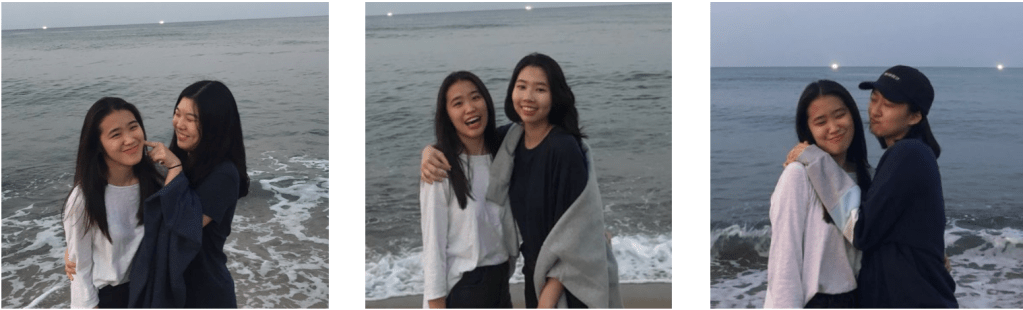
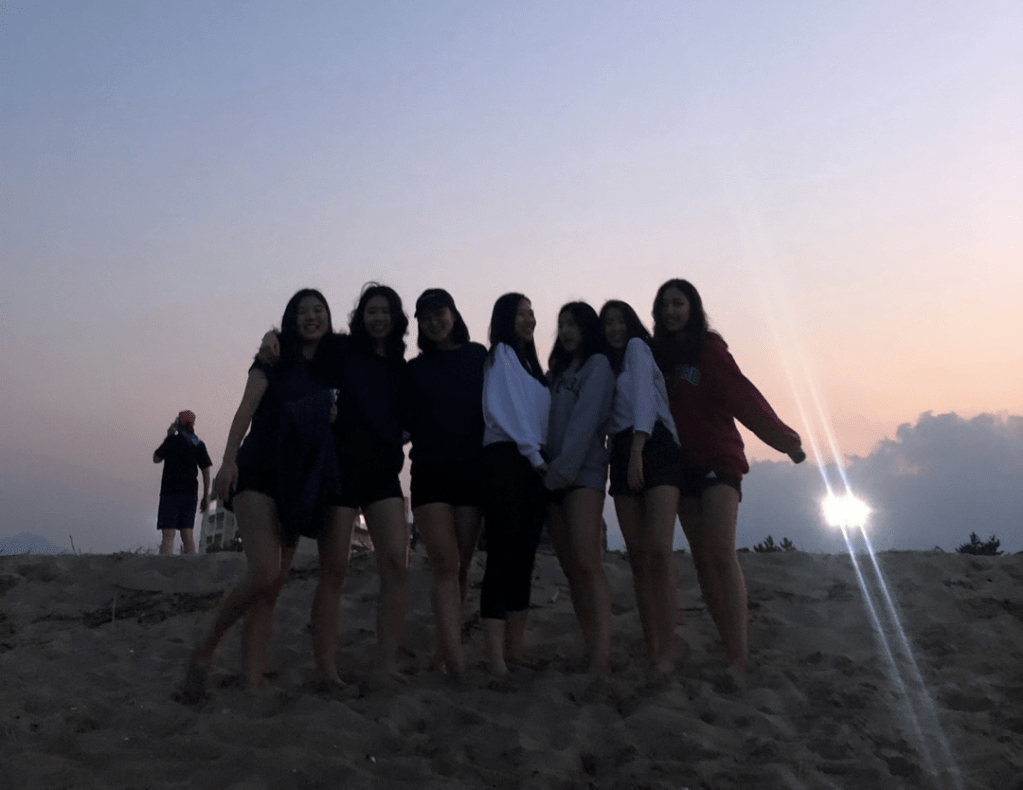
It’s funny how I always hesitate to say I enjoy listening to K-pop. When someone asks me, “What type of music do you regularly listen to?” I usually reply by recommending Lauv and Ruel —it’s true that I’m a huge fan of both artists, but nowadays, I’ve grown a liking for K-pop songs. Yet, the reaction I often receive is “oh so you’re that basic Korean fangirl.” Even my brother responds in this way. So despite my interest in this genre, I sometimes am embarrassed about admitting it. Does preferring K-pop over other genres make me a person with a bad taste? Why exactly does appreciating K-pop as a Korean make someone “basic”? 

Although I haven’t found the perfect answer yet, during my sociology lectures, I think I’ve grasped a better understanding of why this may be the case. It seems to me that society has framed our perception in this specific way. Today, an individual appears to be respected or “cultured” when they have “an eclectic variety of tastes, experiences, interests, and hobbies”—so-called omnivorousness in sociology terms. This is evident in the college admissions process, as most universities claim to be looking for a well-rounded student with diverse identities. We observe this in our daily lives as well. When someone knows aesthetic songs of an unknown artist, people tend to gain interest in this person and define them as an individual with unique and distinct interests. 

To fit these standards, however, cultural appropriation is indispensable. This sociology term is interpreted as an “adoption of elements from a culture that you are not a part of. Typically a member of a dominant culture adopting elements from a minority culture.” For instance, a Western person savoring kimchi. Western culture tends to play the dominant role in our society and the attraction for pop songs is not thought of as “typical” or “basic.” In other words, when an American reveals that they find pleasure listening to pop songs, it isn’t looked down on. Still, enjoying multiple cultures is deemed as more appealing. 

On the other hand, when a Korean selects K-pop as their favorite genre, it is regarded as plain, simple, and perhaps even uninteresting. This is where cultural exclusion takes place, in which “omnivorousness is patterned in ways that exclude cultural products associated with specific groups.” In a research study published by the American Sociological Association, researcher Bethany Bryson concluded that certain song genres are less favored due to cultural exclusion. Simply put, when asked about their music preferences, respondents would say, “I like everything…except rap, gospel, country, and heavy metal.” Hence, some Koreans (like me) avoid disclosing their fondness for K-pop, since when a person from a minority culture appreciates their own culture, it may be considered dull for not favoring the dominant culture. When in reality, individuals should have pride, or at least not be ashamed of their country’s culture. 

In this sense, when someone implies or explicitly states that their favorite music, snack, etc is from their own culture, it is not your duty to judge them as “basic.” They’re not basic, you’re just ideating them as someone basic. The notion of omnivorousness that society promotes today has built your perspective in such a way. Appreciation of one’s own culture should rather be encouraged than discouraged, especially among minority cultures. Without this change, the world may remain dominated by Western culture. Different cultures serve a different purpose and one culture can not be singled out as perfect. 
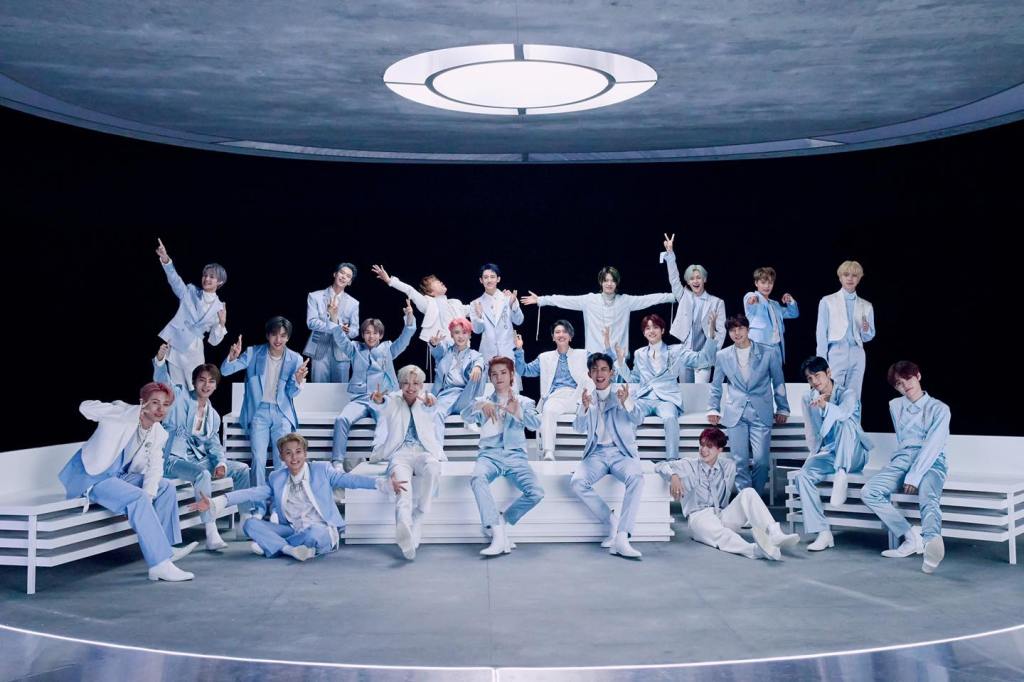
On a lighter note, stan NCT and stream their new songs!
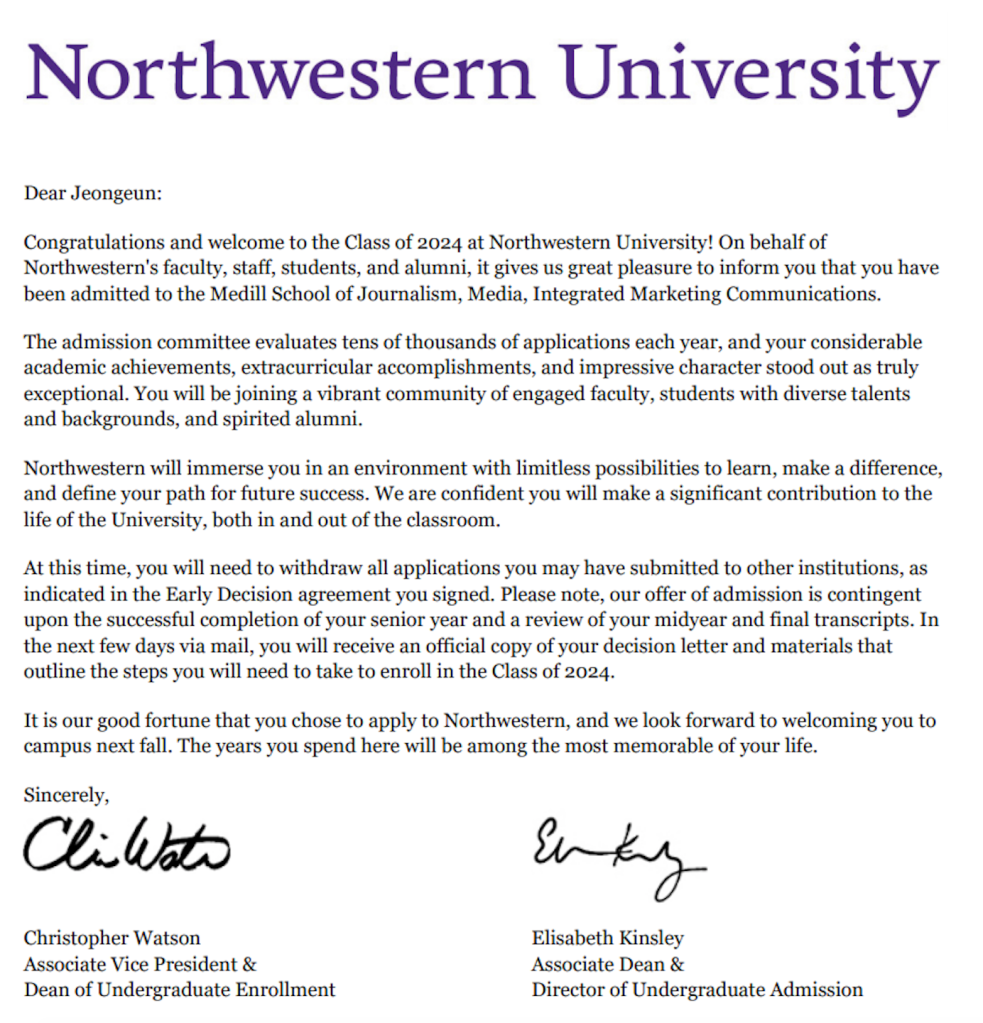
He Said Yes!

Blogs

Not to be creepy, but for several months from August through November, I was following fourteen new Instagram and Facebook accounts out of curiosity. Scrolling through these accounts everyday, I imagined myself with each of them, and ultimately decided on one that appealed to me the most. Engaging? Entertaining? Wholesome? I couldn’t find the appropriate term for their description. Perfect, clearly I was not good enough as a match. Perfect! That was the word. Even the label “perfect” was not enough to express my strong attraction to them. Among all of the candidates, Willie was “the one” I had been searching for so desperately.

After selecting Willie from my list, I yearned to learn more about all these stories, rumors, and rivals that surrounded him. It was that time of the year, and everyone was writing their letters to their special someone. One day, I ripped out a blank piece of paper from my favorite notebook in hopes of sending one too. After drafting approximately five copies, I chose to be genuine with my emotions. 

Dear Willie,

Hey, I’m Jennifer! You probably don’t even know me, but I just realized that a lot of people really like you. Although I’d hate to admit, a few of them seem as though they were meant to be with you. But I still want to give it a shot, you know? Hear me out, alright? I just need a second of your time.

I have quite a lot of reasons you should give me a chance, but I’ll make it as short and sweet as possible. First, we share the same hobbies! I’m probably not good enough at journalism yet, so why don’t you teach me? It would be an honor to take a few classes. Second, you essentially own all the traits I could ever ask for. I vision us swimming, filming, and even participating in feminist marches together. Anything you want! It wouldn’t be an overstatement to call you my ideal type, I swear. Third, our favorite colors are both purple! Can you believe that? We should dress in all purple and snap a photo sometime. Get back to me in December! 

Jeongeun Jennifer Kim

Thereafter, I stayed up late everyday to check for any updates, or patiently waited for a “1” to magically pop up in my “Inbox.” I patted the doll Willie to comfort my rapidly beating heart. To recover my self-esteem, I reminded myself that no matter what he said, I had thirteen other options to pick from—of course only if they accepted my letters. After a month or two, I was fully occupied with other thoughts. Assignments were incessantly piled on my desk, and every day, I took power naps to keep me awake while I pulled all nighters. The workload was way beyond my expectations. At one point, I wished to give up, but not until I received a reply from Willie. 

The season was approaching, and when it came, it felt so surreal. The hallways were crowded with disappointment, tears, and screams. I went around giving free hugs, aware of how heart breaking it could be to cope with a letter of rejection. Mine would be sent on a gloomy Saturday morning, and I would click on the e-mail all alone. I began to wonder how he had thought about me. Did he like my letter? Did he like me? What if he didn’t even read my letter? Maybe I’m not enough? The worst-case scenario would be a rejection, and it wasn’t a big deal. In fact, all I had to do was expect the worst and hope for the best. 

The night before my letter arrives, I panic. Spare time equals self-shame time, as I reflect on my flaws and insecurities. To rid myself of such unhealthy thoughts, I forced myself to sleep at 11pm. Another day shone bright as the sun rose and peaked through my curtains to say hello. Unlike my regular routine (in which I would sleep through lunch), I woke up at 9am—before my alarm went off. At around 10, my body refused to stay beneath the sheets, and my brain kept repeating go check your phone, go check your phone, go check your phone. Leaning over my bed to pick it up, I found an unwelcome notification on the screen. 

I couldn’t resist the temptation of rushing to the computer to read what Willie had to say to me. Yet, I calmly put the phone back down on the shelf and continued with my morning routine. Ten minutes later, I sat in front of my desk, inhaling and exhaling slowly. Unlocking my phone, I pressed the red recording button, because whether it was a “yes” or a “no,” this moment was a memory worth capturing. Rather than a letter, Willie had sent a website link in return. Following the instructions, I found the letter I’d been fussing over for the past few months. Phew. I was ineffably nervous but needed to act relaxed for the sake of the video. My last click takes me to a page with a lengthy message. 

Congratulations! What? He said yes? Did Willie really say “yes”? At first glance, I couldn’t believe what I was gazing at. Pure joy. There was no other emotion involved. Just excitement. Like a seven year-old who had received the toy of his dreams. Like a twenty year-old who had just won the lottery. All I had felt was glee. Euphoria of success. College was nothing near success, but at least my efforts had paid off. I sprinted to the other end of my house and squeezed my mom in an embrace. Tears streamed down my pink-blushed cheeks, and I mumbled, “yes.” I can now meet Willie the wildcat, because he said yes. 

Soulmates

Blogs

“Do you believe that soulmates exist?” 

“Of course, I’ve already found two. One who is essentially a replica of me, and one who completes me.”

Once in a while, people inquire me on whether I believe soulmates are simply a myth or not. My instincts first told me that the term “soulmates” was another fallacy, especially since I had never encountered anyone special enough to give this title. Adapting an extroverted personality recently, I’ve begun to ponder if my notion of this world was too defined. Stumbling across all types of personalities, from immature and thoughtless children to assertive adults, I’ve figured that those who shared a long-running relationship with me lasted for a reason. 

There are specific people I spontaneously turn to when faced with troubles. Regardless of the depth—internal or external—of the conflict, I tend to fall into the arms of the same people. They view me without a single hint of judgment, and genuinely lend words of advice. At times, I experienced certain disputes that I felt responsible for without clearly understanding why or how. Yet afraid of their reactions, I unwillingly locked myself in, only to have my soulmates knock on that door. They instantly notice a slight change in my emotions, and readily reach out. Starting a conversation with them is perhaps the easiest deed, as our thoughts are often effortlessly shared with telepathic communication. 

Soulmates don’t necessarily have to be associated with romantic partners. In fact, they seem to be more aligned with the term “friend.” There’s two types of soulmates—at least from my personal experience. The first one gives the impression of being my own reflection. If you put the two of us in one room and instructed us to communicate nonverbally, we would complete the task quite adeptly. “Silence” is often accompanied by “awkward,” yet it nearly seems impossible for an “awkward” atmosphere to blanket the room when the two of us are together. My first soulmate and I have reached a point at which we agree on a lunch menu in a split second. If one struggles to make a decision, the other one offers an ideal—possibly perfect—suggestion. This type gives assurance to all of my hesitant decisions. 

There’s another type who is different with me in all respects. First and foremost, our food tastes are not alike—he loves mint chocolate, but I detest it. Second, his strengths are my weaknesses, so our hobbies and preferences are dissimilar in every way. As a person without a good taste in music, I put songs on repeat for endless hours. Once addicted to a melody, I must listen to it until I grow tired of the tune. On the other hand, this soulmate enjoys exploring the diverse music genres. Sometimes in the hallways, other times during social events, and soon as the main cast of a school musical, he has a strong presence on stage. Whereas when belonging with his friends, he turns back into a typical teenager. This type knows how to help people feel at ease and bolsters my confidence recurrently. An hour-long phone call with him allows me to recover from all of my anxieties. 

I would be telling a half-truth to claim that I’ve never bickered over trivial matters with my soulmates, but it has always ended only as a quarrel. The small disputes never last longer than a day, because both my soulmates and I have learnt to apologize and accept our faults. As a middle schooler, I was involved in a childish argument, in which neither my soulmate nor I desired to admit our mistakes. However, both of us soon came to realize that blinded by the will to retain our self-esteems, we had neglected our respects for one another. Ironically, we expressed our regrets to one another on the same day and built a tighter friendship than ever. 

Despite knowing my other soulmate for only two years, I feel as though I’ve known him for more than half of my life, and inevitably, we’ve had instances in which our opinions clashed. When I perceived certain actions as disrespectful, he would point out that I was oversensitive. He barely agrees with any of my beliefs and thoughts, but he is exactly aware of when sympathy is needed. This soulmate immediately notices when I am disheartened, and listens to my complaints for (what seems like) countless hours. Even if the advice he contributes isn’t always the best, these phone calls certainly comfort me. 

After getting to know these two special people, I was able to ascertain that soulmates are not about owning identical personalities or hobbies. Although at times these two aspects may coincidentally align to those of your soulmate, the more crucial message to fathom is that soulmates are those who make you shine in the best way possible; someone who appreciates you the way you are. They are glad to listen to you, and you are always open for them. It appears to me that no one else understands me better than my two soulmates, and I hope my soulmates and I continue to match each other’s puzzles. 

More Than a Team

Blogs

We want to be cool, calm, and collected. Similar to the basketball team, we wish to build this intimidating, senior-like reputation, but evidently, this isn’t possible. All of our members are  approachable, welcoming, and always adrenalized. With the speakers blaring in an empty swimming pool, just the presence of five teammates could initiate a party. The upbeat music echoes louder than the coach’s instructions, and a few boys start jumping up and down endlessly. Although a single, mundane routine is repeated everyday, I never find myself fully adapting to the different mood—the enthusiasm—members bring to practice each day. It’s exactly one of the few places where I can truly be myself and know I won’t be deemed “weird” or “foolish.”

My first decision to join the Varsity Girls’ Swim Team was during my freshman year. After avoiding this sport due to my deteriorating scoliosis condition, I had finally received the consent to resume my hobby. Sliding back into the cold water after two years, I was ambivalent about giving this strenuous exercise another attempt. On one side, I feared that I wouldn’t be able to dedicate eight hours every week. On the other hand, whenever I came in contact with water, I began to reflect on my decisions. As I stroked my arms through the water, I recalled immaturely screaming at my mother for not preparing breakfast. I felt embarrassment. It was odd—the simple touch of water, in showers, baths, and practices, forced me to recall all of my past regrettable moments. 

Ultimately, unable to give up my passion for swimming, I became a member of the swim team. After a few practice races at school, Coach Pate announced that our first competition was in a few days, and I, the only freshman girl, was part of the Relay A Team. Thrilled but frightened, I was unsure if I could handle this burden all alone. The “friendly” meet was proof of our team’s potential for placing within third at the Korean-American Interscholastic Activities Conference (KAIAC). In fact, at the KAIAC competition, we placed third for the first time in our school’s history. Even better, during the Association of International Schools in Asia (AISA) tournament, the girls easily stole the First Place award from our rival schools. Labeled as a long-distance swimmer, I was urged to compete at a 400m freestyle event. From this point and on, I’ve continued to strengthen my endurance, for both my health and the team.  

In fact, not only the team, but the sport has also challenged me to take risks I’d never even imagined in the past. Tampons. They were my worst nightmare. In eighth grade, unpleasant rumors, that girls could lose their virginity using these plastic-wrapped cotton, roamed the halls. Barely anyone found them useful, and the topic was too taboo in Korea to consult with anyone. When I was encouraged to try a tampon for the first time, I sobbed alone in a locked bathroom stall. The result was a failure. I must confess that I considered quitting swimming at this time. Too many obstacles seemed to await me. However, the cycle coincidentally returned on my first swimming competition. Distressed and pressured, I was left in shock when the plastic slipped off effortlessly. Swimming has offered diverse opportunities I wouldn’t have undergone otherwise. 

Moreover, as a swimmer at Korea International School, I experienced several unexpected incidents. Here’s one similarity that the swim team shares with other sports teams: we have drama, especially “love” conflicts. Completely uninterested in loving relationships in my sophomore year, I burst out in laughter when an upperclassmen told me he was attracted to me. Only regarding him as a close friend, I opened my mind and made an effort to view him as a partner. Spending nights calling and texting him, I certainly gained a boost in my self-esteem with all his compliments. Realizing I was yet interested in another person, I honestly expressed my indifference. Rather than acceptance of my thoughts, all I received was his cold stare in the halls. Nonetheless, the drama was another learning opportunity to overcome small disputes and cope with mixed emotions. 

Most importantly though, I am no longer ashamed of being the only female senior swimmer on the team. Joining as an introverted freshman, I was hopeless about establishing new, strong relationships. However, in a month or two, upperclassmen comfortably conversed with me, often embracing me with a warm towel at swimming competitions. I feel as if I’ve gained more attention and love than I deserve, because I was the youngest member on the entire team. 

The swim team is one of the few athletics that bring both genders together. Through the tradition of going to a waterpark every summer, our team has built unbreakable bonds with one another. With no judgement, and solely joy, the swim team has grown from a formal athletics team to a caring family. In truth, nobody joins swimming for the sport, but because they miss the family. 

Your “Bubbly” Buddy

Blogs

“So, what’s your ideal type?”

“Someone who makes me laugh—just by their presence.” 

“But you’re always so bubbly around everyone.” 

Last week, three people described me as “bubbly,” defined as full of cheerful high spirits. Anyone who meets me for the first time would definitely notice how (oddly) often I laugh. Cracking up because of a friend’s hilarious joke, I passed by one of my teachers who imitated my giggle and two other classmates who stated, “I knew it was you.” From a certain point, I’ve built a reputation as an approachable senior with a unique laughter. Due to the reason that I cannot contain myself from gossiping with others, I naturally find myself leaning on a friend’s shoulder or joining a conversation among underclassmen. 

Reading an article based on a psychological experiment, I learned laughing not only perked my own mood, but also my surrounding environment. Another article informed me that the more you laugh, the healthier you become. I still have no idea if either of those articles speak the truth; however, for some unknown reason, I was convinced. Whenever a friend of mine appeared heavy-hearted, I was always willing to share an embarrassing story or two—though at times, these stories were from my pure imagination. If the idle talk uplifted him/her, I only desired to see a brighter smile, or even a chuckle. 

Yet recently, a sudden concern sparked my interest: Is this the reason no one takes me seriously? Rarely anyone spots my dark side, especially in the public. I never wanted to be the one who pulled the whole group down. On the other hand, when alone, a feeling of anxiety creeps on me. Overanalyzing the events that occurred on each day, I fret that my actions may have discouraged others. I’m afraid that others don’t recognize the deep side of me—as an individual, not a “bubbly” friend living without any particular purpose. 

After struggling to fight all the personal issues alone, I ultimately managed to open up to a few others who were willing to listen. When I mentioned the depression I experienced all alone, they merely nodded in return. Speaking up about my dreams of self-destruction and impulse to take pills, two of my friends showed some sympathy. The rest? I could find their eyes glancing around, clearly tired of listening. Many of them evidently did not believe me. Even worse, it seems as though several people have been taking me for granted. I’m exhausted. Attempting to avoid giving this impression, I tend to share my thoughts and appreciation through letters. Despite these efforts, sometimes, all I receive in return is an excuse to cancel an appointment.

During my leisure time, I began to wonder whether these people expected me to remain “bubbly” even at these instances. If they imagined me smiling at a cancellation of a promised meeting. If they assumed that I wouldn’t be distressed for wasting my emotions and my time. If they ever valued me as an individual—at the least. If they figured that I am not someone they can send for and off whenever they needed me. If they realized that the more “bubbly” a person is, the easier they are wounded by words. 

I’ve heard some adults label me as a “해피 바이러스 (happy virus)”—a Korean term equivalent to bubbly. This expression implies that I play the role for encouraging a group or team. My instincts inevitably tell me to feel grateful for such magnified compliments that I don’t deserve. Even so, this reaction is temporary. Sometimes, I hate the fact that I am perceived as a typical “bubbly” girl. To me, this description comes across as a synonym for a manic pixie dream girl. Unlike the “bubbly, shallow cinematic creature that exists to teach broodingly soulful young men to embrace life and its infinite mysteries and adventures,” I own a personal story. I’m not Claire Colburn in Elizabethtown; I’m not Belle in Beauty and the Beast; I’m not Summer in 500 Days of Summer. Hence, I hope more people come to understand that my “bubbly” trait does not entitle them to envision me as a girl who will accept and comply with all of their requests. 

I’m not just your “bubbly” buddy.

Our First Last Experience

Blogs

It feels like I should be complaining again. It feels like I should be looking up another mountain that awaits me for a hike. It feels like they should be telling me to risk my life again, or as they say “step beyond your boundaries.” It feels like I should be listening to another rumor about one of my friends scarred from rolling down the mountain or unconscious from falling off a bike. But even the worst is over now. Think about it, it’s officially the end to all of this. This was our first last experience.

I couldn’t find any photos from the midnight tag, so here is one from our trip to Everland (freshman year).

My memories are blurred of our very first experiential education trip—all that comes to mind is the midnight color tag. When everyone was thrilled to catch Pokemon due to the new Pokemon Go trend. When everyone was indifferent to each other. When the gender split was clear. When no one was willing to step on stage for the open mic. The sand cold, lights dim, rain pouring. I ran around without the fear that others would look down upon me. 

Then the shock of sophomore year rushed in when nothing went as expected. The only snapshot vivid enough to recall is practicing weeks before the trip during autonomous blocks to master my biking skills, which I haven’t achieved to the present day. Hearts were broken when a friend of mine was wounded quite severely. Barely knowing him at this time, I prayed that he could return safely to become one of my close friends—one of the few goals I’ve actually accomplished over the past three years. There was probably another hike, still lost somewhere in my memory. 

Trying a “candid” shot—when we actually began taking photos (junior year).

The year of academic pressure, stress, and indescribable anxiety began. Everyone regularly wearing a frown, clearly sensitive. High school drama engulfed me, yet there was a lack of time to even listen. On the other hand, after a strenuous hike, all these juniors sprinted to the beach, snapping photos. The first time I’d seen this many beaming smiles. Even better, our Interstellar (named after my advisor’s last name, apparently the same as Christopher Nolan) advisory grilled pork and cooked a special army stew, where we secretly snuck in ramen soup base. Running out of time, as the second round of cooking began, six of us gathered in a small circle on the floor to finish our meal. “So insanitary,” someone insisted as they passed. Ironically, a few of them approached us for a bite or two. The last day, singing—more like mumbling—to “Bohemian Rhapsody” on the bus, there was nothing more I could ask for. Until then, I imagined this was the best experiential education trip. 

Snapshots with three of my best friends (senior year).

This year, there was more. After spending three years with the same advisory, it was gloomy news to hear every single member was split apart. I missed the only block with the most odd, yet humorous group of people, especially my five-year best friend Rachel. Fitting into this new advisory, I found it difficult to be myself. There was no Andy, our personal jukebox, to hum along with; no Leo to make stupid jokes; no Andrew to tease about “Closer”; no Brian making a fuss about the most trivial activities; no two Claires to gossip all night long with; no Eun Seob to rely on; no Chris to chuckle with; no Jason with blaring speakers. Luckily, we did have Stephen opening a concert of his own during open mic. The second day, I was told to climb these mountains, which was my first attempt to overcome my extreme fear of heights—another check off my list. Although my bestest peers were not beside me, I took Mr. Poullard’s word of advice for the first time: “one step at a time.” After all, the school’s message wasn’t so meaningless. With the hike cancelled from rain, I was glad to greet my friends on the beach once again. The same beach from freshman year, but some aspect of it was so different. Nostalgic. A moment I hoped to remember forever. 

My favorite photo with my favorite person 🙂

Listing all these trips, my emotions are jumbled. I don’t know how to feel. I don’t know what to say. But an unknown feeling inside me is silently wishing this wasn’t the last one. Maybe I should’ve absorbed the stunning views more or expressed my thoughts through journals more often. At the moment, I refused to write, because it felt like a waste of time. Now, I realize how much it matters. I sincerely hope in the future, I learn to live in the moment and enjoy it as it is. 

Thank you to everyone who has made my first last experience so special.

Until the Bloom

Blogs

There’s so much I want to tell you, but I honestly don’t know where to start. Here’s one cliché piece of advice, though: don’t stress too much over your academics. I must admit your GPA is quite significant in the college application process, and yes, I see you are currently struggling to find the college that suits you. Yet after all, sometimes, I’m glad you made the decisions you did. When you are young with unlimited resources, explore what you can—whether that be trying out different clubs or traveling with your family. Who knew you would end up taking—not one, but two—AP Science courses, right? Maybe there is a talent you disregarded, blinded by your passion for writing. 

Remember how you joined that one club you were completely unaware of and simply attracted to because the officer turned on Big Bang music at the club fair? A foolish decision, but don’t regret it. I’m proud to see that you’ve persisted in that club, despite the never-ending train of classmates coming and leaving. Look where you’ve come. I never imagined you as a leader, especially for a group of high schoolers, but now, I find you everywhere. From the school-wide broadcast system to giving lessons on filming, you’ve achieved more than I’ve expected. I wouldn’t have even dreamed of you volunteering to coach immature middle schoolers. I know you’re an introvert that acts all confident and bright in front of others, but really is merely a child trying to keep up with societal expectations. 

Hey, but some people don’t even describe you as an introvert anymore. I heard a teacher ask you, “You’re not an introvert?” Personally, I would take that as a compliment. On the other hand, I wonder if you can branch out more. Since you no longer shy away from anyone in your grade, can’t you help others? Allow them to settle down with you in the lunch table, not restricting yourself to your “safe friend boundaries.” You’ve been here for at least nine years now, it should feel like your second home. The worst that can happen from lending a hand is making a new friend to hang out with, isn’t it? You never know until you sit with that kid who eats alone at a separate lunch table. 

Also, I sincerely question why you are so ashamed of expressing your interest in someone. It’s not abnormal for a puberty-stricken high schooler to fall for someone you have six classes with. It happens. Just don’t spend another five hours calling your friends about how to say “hi” or wave to him—that’s what I call useless. In fact, you know you’ve made the right choice when you’ve stopped sobbing alone on the edge of your toilet. I can guarantee that a few sweet words work better than pills for depression. Regardless, it’s true that the small, careless gestures were meaningless to him. Being controlled like a puppet by those actions—weeping because he replies a few hours late or jumping around all day due to his smile—was heartbreaking, I know. You’ve matured through encountering those roses and thorns, and that’s all that matters to me now. 

By the way, promise me to keep healthy. Handling scoliosis, without a personal trainer to remind you to stretch every so often, is not easy. Keep swimming. You’re a captain soon, so you better prepare to lead others anyway. If you can’t spend hours in the pool, give yourself a ten-minute break to squeeze in some push-ups between your work time. It seriously matters. As my dad always says, it all comes down to your endurance. 

Before you set out on another journey, another year of unexpected happenings, I want you to take a step back and note how far you’ve come. A letter of encouragement, because I know in the next few months, I’ll find you sobbing on the edge of your toilet again. Living under the protection of your parents, you’ve escaped their nest for the first time this summer, arriving at America on your own. Not a big deal, but I was worried. Look, you’re still an imperfect teenager seeking for the right time to join the right people at the right place. This is only the start, and you’ve got plenty of time. 

Looking at my reflection right now, somehow you’ve grown—no, not physically—and it shows.

Until the Bloom,

Jeongeun Jennifer Kim

The Corset Remedy

Blogs

Five years of basketball. Seven years of cello. Eight years of swimming. All gone with one word: scoliosis. By dictionary definition, scoliosis is an abnormal lateral curvature of the spine.

“정은이는 지금 몸으로 너무 무리하면 안돼요. 너무 활동적인 일을 하게되면 척추층만증의 심각성을 높일수도있어요.” (Jennifer will have to reduce all possible physical activities that would deteriorate her unbalanced body). 

No, my new physical trainer was not referring to the “balanced life habits” students are reminded of everyday—not “drink more water”, “join a sports team”, nor “sleep at least six hours.” She meant a literal unbalanced body. Holding a ruler close to my backbone X-Ray image, she pointed to the evidently unaligned bones. My mouth attempted to mumble some words, denying the fact that I had lived with this incurable condition since birth. Incurable and unaccountable. Taking a glimpse at my mom, I found tears streaming down her cheeks, her fingers wiping every drop. I silently grasped her hand, hoping she realized I was fine. 

Nothing was as dooming as that day. As a middle schooler with immense optimism, my dream to be the next Han-Na Chang was crushed. Now, what do I do? What could I do? I was not suited to be the next Olympic swimmer nor the next basketball champion—simply too short. To make matters worse, scoliosis inhibited further growth. Reaching 165 centimeters would be a stroke of luck, which I clearly haven’t accomplished yet. With a short height, abnormal back, and awkward gait, I awakened to the rude reality—society no longer offered me any internship or job opportunities. Physical labor was not easy on me. Yet that did not make me some extraordinary genius. Anyways, who would want a disabled high schooler as their worker? Honestly, right? 

Dragging me from one hospital to another, my mom wasted piles of money, expecting to find some panacea for scoliosis. One day, I was massaged by an old woman who claimed she had thirty-something years of experience. Another day, a doctor babbled on for hours about the desperate need for surgery—otherwise, I would be unable to walk in my seventies. Undoubtedly, we fell short of luck, and my parents had no other option than to concede to the harsh truth. After five efforts, my parents ultimately settled on a decision to take one final chance. Goryeo University Hospital. The most typical, yet the most reasonable consultant suggested an alternative: to adjust my posture with a corset. 

Yes, a corset. At first I couldn’t believe my ears either. Since the 20th century, I thought corsets did not even exist, but the moment I woke, right before me were rows of white plastic corsets. I rubbed my eyes. The scene was almost as though I was caught in a common Korean drama set at an illegal factory. You know the ones where children or women are abducted as hostage, then an attractive man appears to rescue the victims—some plot along those lines. All eerie and spine-chilling. Two women took me by the arms and led me to a dim room. 

“속옷 빼고 겉옷은 벗어주세요.” (Please take of all your clothes except your underwear). 

Only thirteen, I obeyed. Three minutes. The women re-entered, rolling a cart of an unidentified, clay-like mixture. Following instructions, I stepped up to stare into a reflection of my crooked body. Never sincerely attending to my parents’ concerns, I finally spotted my flaw. Never had I found scoliosis a big deal, until I noticed the clear curve. The women pressed a cold metal on my waist. Pushing slightly to balance my spine, they covered my body with the white mixture. An unfamiliar and unpleasant experience, but my lips were pursed from shock, unable to complain.  Stiff, I stood there for thirty minutes. Slowly, the viscous mixture sculpted into a mold. Removing the rigid mold, the women glued a miniature cushion to one side, attached straps, then poked holes in pattern. 

They wrapped the new “cast” around my body, fitting perfectly. Quite impressing. The corset straightened my back, hardly allowing me to breathe. The reflection displayed a new, taller Jennifer. Peaking in from behind, I sensed a hint of satisfaction from my mom’s fatigued countenance. 

To this day, I wear my corset in my sleep—ineffably uncomfortable, but worth the try. Many contend, “How bad could a twist in the spinal cord be anyways?” I wasn’t able to comprehend the significance of this difficulty, until I figured that I was a patient, and the 14 degree distortion trampled on my dreams. I first encountered scoliosis while reading “Deenie” by Judy Blume. Deenie, a teenage girl who aspired to be a model, was diagnosed as a scoliosis patient while auditioning for a model agency. She was dumbfounded, refusing to converse with anyone. At first glance, the novel seemed too informational, too dramatized. Now, as I read it again, I sympathize and find the realistic details. 

One fact I disregarded is that unlike all other extreme maladies, scoliosis does not steal life from me. I still have eighty years to live to the fullest, which is more than enough. To think on the bright side, scoliosis has forced me to find a new passion, to adapt to unexpected changes. Basketball, cello, and swimming are all lost childhood fantasies. However, I’ve traded my talents for health, and I don’t regret that decision. Anyhow, I’ve discovered a better, stronger passion for writing. Hence, scoliosis leaves me with dozens of disadvantages, but hundreds of wiser life decisions.

By dictionary definition, scoliosis is an abnormal lateral curvature of the spine. By my definition, scoliosis is a physical disadvantage that is not treatable, but manageable. 

So Jay, now you know why I walk so “weirdly”—as you call it. 

Misha Vadim, Self Esteem

Blogs

“What time is it?” 

Glancing at his wrist, the judge replied, “It’s…”

“Summer time! It’s our vacation!” 

Judge Mars never got the opportunity to read the time, only greeted by a crowd of eight immature high schoolers. That moment, my adrenaline peaked and my heart beat doubled the pace. Through all songs ranging from High School Musical “Humuhumunukunuku apua’a” to an insane song about rocket ships and Albert Einstein—I’m pretty sure you’ve heard of it—the courtroom replicated the scene of another musical showcased in Broadway, simply not as melodious and clearly out of tune. I took another snapshot of the moment, along with the innumerable postcards embedded in my memory. Here, reminding myself of all the striking experiences I’ve undergone, I can proudly say this postcard is the most unforgettable, beautiful postcard I’ve ever seen. Everyone was full of glee and free of stress. Of course, oblivious of the future we were approaching. 

Five minutes passed. All rising to our feet, we respectfully acknowledged the entrance of Judge Mars—yes, the same one who rolled his eyes at our childish song choices. Now, all eight of us switched off the seven year-old selves and turned on professional mannerism. After the KIS Varsity 1 Team had crushed us the other day, to place within third, our only option was to beat YISS. Yet, the unexpected occurred. While most of us had believed that we would effortlessly conquer them, Lady Justice seemed to side with the prosecution, not us (defense). I was bewildered. My thoughts were bombarded with questions. 

How is the “relevance” objection even applicable in this case? Seriously, they really need to retrieve their Rules of Evidence booklet and read it off? How come all of our objections are overruled, and theirs sustained? Why are they coaching their witnesses to slow down their pace? Why are all the attorneys merely jumbling on about the definition—why can’t they explain the specific rules pertaining to today’s case? We’re going to lose. 

Believe it or not, my last thought at the end of the first half trial was: We’re going to lose. As soon as the judge announced a five-minute recess, our freshman witness Tae Kyeong summoned the team for a discussion. Gathering in a circle, every single member threw words at one another. Pure chaos. A sudden sense of nervousness gushed through my veins, lips pale and tears on the verge of dropping. The first moment I found our team shattered into broken pieces of glass. To be frank, through the endless days of preparation and countless months of team bonding, my role was simply a figurehead. Not because I chose to be one, but because we never demanded for an individual to single-handedly carry on all the tasks. We were all crucial members. We were all worthy. Yet for that split second, I fathomed the significance of one, distinct leader. Due to the fact that skills and talents were equally shared among the members, our team never titled anyone as a leader.

Unexpectedly, Tae ceased all conversations, indicating the critical changes to improve our performance. Somehow communicating my opinions as well, our potential “leader” earnestly condemned, then complimented the attorneys. 

“Attorneys, you need to explain your objections, not just repeat the wording you memorized.” 

Guilt. That’s exactly what I felt. As one of the four upperclassmen, as an officer, I should’ve been the one guiding the team. Rather, I stood blankly staring at an underclassman, overwhelmed by my emotions. 

With one minute remaining, our feet stumbled back into the courtroom. Tapping both Joey and Tae on the shoulder, I mumbled, “우리 연기 잘해야돼 (We need to act out our witnesses especially well).” Nods returned. Defendant Alex Buckley (Joey) was called to the stand. Slightly tense, he played the innocent, timid character, weaving through all the harsh questions pointed at him. I was next. I glanced at Tae, who responded with a reassuring nod. 

The spotlight now shined on me, but all I was left with was feigned confidence. “I vas born in Mother Ro-ci-ah.” At the corner of my eye, I spotted the opposing attorney cracking up in laughter. The next moment, I noticed the judge attempting yet failing to conceal the silly smile that spread across his face. As the echo of chuckles rung, I shifted my attention back to my attorney, Yong Sung. He smiled, or at least I thought he did. Something about that instance brought certainty to my doubts; my unpolished Russian accent—by some means—improving every sentence. 

“Good afternoon, Miss Va-dim.”
“Excuse me, my name is Misha Va-deem, like self-esteem. Please pronounce it correctly.” 

Gulping water, one YISS attorney spurt it out, coughing incessantly. The entire courtroom broke out in laughter and for once, I was honored to play the lovable, humorous character. In fact, I was no longer scripted with intended jokes, but I found myself naturally introducing Misha, not Jennifer. By the end of the second half of the trial, I was convinced: We won. 

Now reflecting back on my third Korea-Yale Mock Trial Competition (KMTA), I’ve never built such strong, family-like relationships with anyone during my high school career. More than family— possibly. I often wince at the idea of giving my dad and brother a hug or a kiss. Ironically, I immediately run for a hug when I meet my mock trial team. I loved, still love, and will love this team dearly.